




Email: sales@fsain.com.cn
Phone: +86-0571-85101359
Scalable Counter-UAS Protection for Large Sites | Multi-Layer Drone Security Solutions
2026-05-08
Table of Content
[Hide]
Secure Airports, Military Bases & Critical Infrastructure with Scalable Anti-Drone Systems
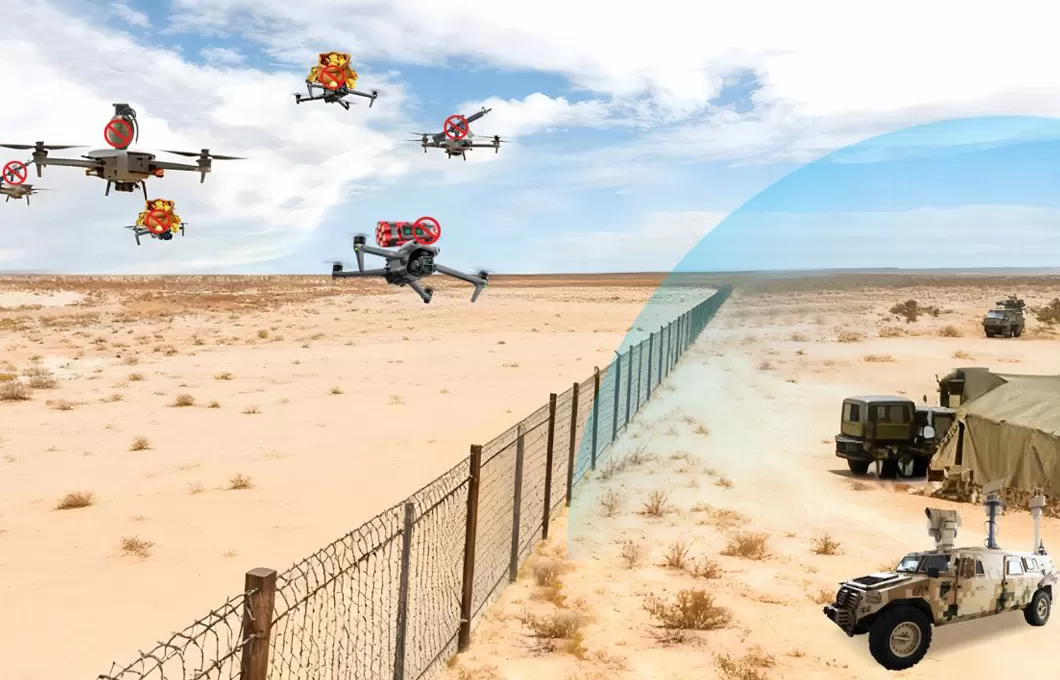
In today's fast-evolving security landscape, unauthorized drones pose significant threats to high-value sites such as airports, military bases, energy plants, and large public venues. Traditional point-defense systems are no longer enough to safeguard extensive perimeters from low-altitude, slow-flying aerial threats. In this guide, we'll explore how to design and implement a scalable, intelligent, and modular Counter-Unmanned Aerial System (C-UAS) tailored for large-scale environments.
Why Large-Scale Sites Require Professional C-UAS Protection
Large venues face unique security challenges:
Massive surface areas (spanning several km²)
Complex terrain with potential detection blind spots
High concentrations of critical assets requiring 24/7 protection
Need to maintain day-to-day operations during threat response
From preventing espionage and smuggling to stopping accidental breaches or targeted sabotage, a proactive and fully integrated drone defense strategy is now mission-critical.
Key Design Principles for Scalable Anti-Drone Systems
To defend expansive areas effectively, your C-UAS should follow these five core principles:
1. Modularity & Scalability
Easily expand coverage by adding standardized detection and mitigation nodes. Supports phased deployment to avoid upfront over investment.
2. Layered Defense-in-Depth
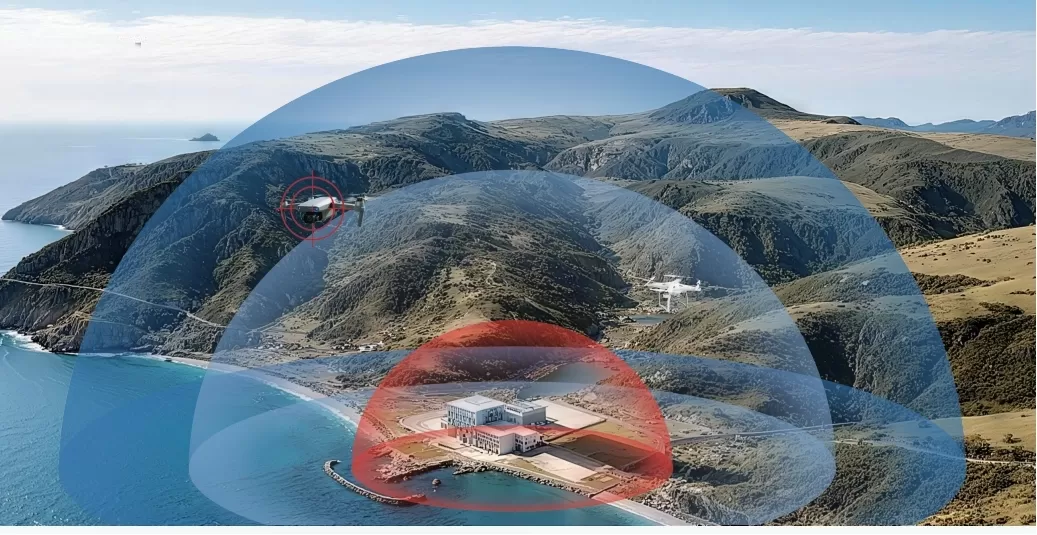
Build multiple protection layers (outer, middle, inner) to form a seamless detection-to-defeat workflow.
3. Real-Time Detection & Smart Decision-Making
Leverage AI algorithms and low-latency networks to detect, track, and respond to drone threats within seconds.
4. Multi-Sensor Data Fusion & Classification
Integrate radar, RF spectrum sensors, EO/IR cameras, and Remote ID systems to identify and classify drone types and behaviors with high accuracy.
5. Regulatory Compliance & Future-Proof Design
Meet local regulations on radio frequency, aviation safety, and privacy. Designed with open standards to support long-term upgrades.
Recommended Architecture: 3-Layer C-UAS Defense Model
Based on field-proven experience, we recommend a layered architecture that adapts to the complexity and scale of your site:
Defense Layer | Coverage Range | Primary Function | Recommended Technologies |
Outer Layer (Early Detection) | 5–10 km | Wide-area surveillance & intrusion alert | Long-range radar, RF sensors, ADS-B listeners |
Middle Layer (Tracking & Interference) | 1–5 km | Target confirmation, classification & soft-kill | EO/IR cameras, RF direction-finding, radar tracking, Remote ID, radio interference, GNSS spoofing |
Inner Layer (Interception) | ≤1 km | Final-stage deterrence | High-power lasers, interference systems, kinetic interceptors (e.g. net guns, drone-hunters) |
Pro Tip: Ensure seamless handoff and data fusion across layers for uninterrupted tracking and rapid response.
Core Subsystems of a Modern C-UAS Solution
Detection Suite
Radar: All-weather detection of low, slow, small (LSS) UAVs
RF Detectors: Capture control & video transmission signals
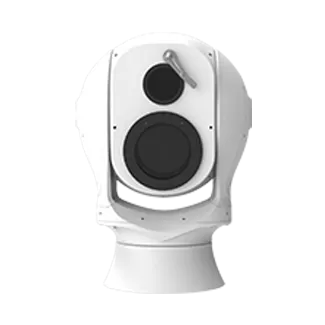
EO/IR Cameras: Visual verification and classification
Remote ID Receivers: Recognize registered, compliant drones
Defense Measures
Electronic Warfare: GNSS spoofing, control-link interference
Hard-Kill Systems: High-energy laser weapons (stealthy & cost-effective)
Kinetic Interceptors: Drone-catching nets, hunter UAVs
Note: Some countermeasure methods require regulatory approval. Always ensure local compliance.
Command & Management
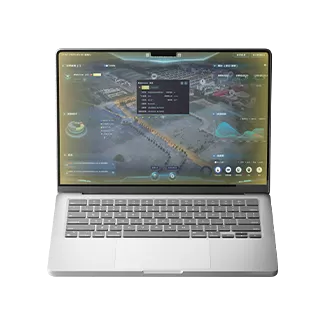
Real-time airspace visualization dashboard
AI-powered threat assessment and classification
Event logging, playback, and operator control interface
How to Achieve True Scalability for Large-Area Drone Defense
1. Zonal Grid Management
Divide your site into manageable sectors to enable parallel operations and priority-based threat response.
2. Cloud-Edge Hybrid Architecture
Utilize cloud platforms for deep learning, model training & big data analytics. Leverage edge computing for real-time decisions and faster reactions.
3. Rapid Expansion & Simplified Maintenance
Grow your system incrementally with minimal downtime. Standardized hardware/software modules streamline scaling and routine maintenance.
AI-Powered Features for Smarter C-UAS Operations
Accurate Classification: Differentiate between commercial, FPV, and DIY drones
Behavioral Analysis: Evaluate intent via flight path, velocity & proximity to sensitive zones
Autonomous Response: Launch pre-approved countermeasures automatically in high-certainty cases
Continuous Learning: Enhance precision and speed via feedback from real-world incidents
Key Factors for Successful C-UAS Deployment
Strategic Sensor Placement: Based on geographic and environmental analysis (e.g., elevation, obstacles, line of sight)
Regulatory Compliance: Adhere to aviation, telecom, and privacy regulations (RF spectrum, interference laws)
Operational Readiness: Conduct regular drills (day/night, all-weather, swarm simulation) to validate system performance
Conclusion: Build a Future-Ready, Scalable Drone Defense System
As drone threats become more advanced and widespread, traditional defenses fall short—especially for large and complex environments. When choosing a C-UAS provider, prioritize the following capabilities:
✔ Scalable counter-UAS architecture
✔ Multi-layer drone protection for large sites
✔ Integrated radar + RF + EO sensor fusion
✔ AI-driven airspace security platform
✔ Compliant and flexible mitigation tools
Looking for a customized drone defense solution for your airport, base, or industrial site?
Contact us today to schedule a live demo or download our C-UAS Product Whitepaper.
References
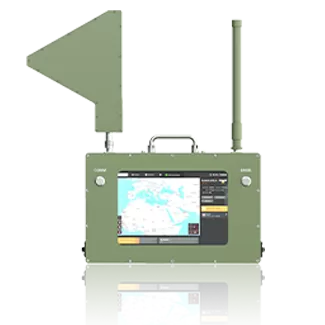
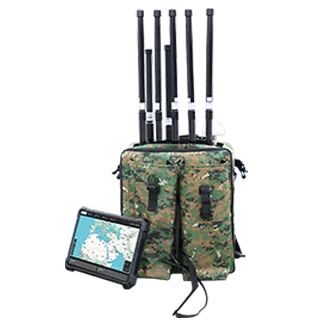
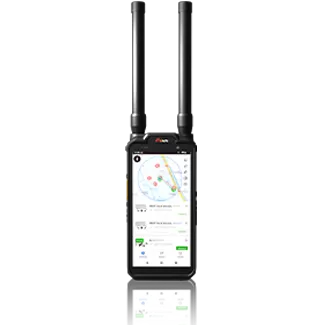
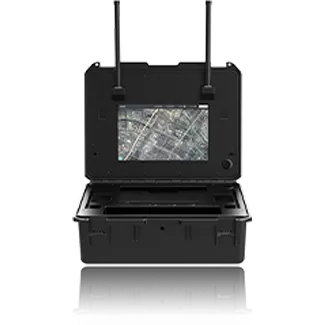
Additional Portable Anti-Drone Devices