



Email: sales@fsain.com.cn
Phone: +86-0571-85101359
Drone Threats: Securing Global Borders in the Unmanned Age
2026-05-06
Table of Content
[Hide]
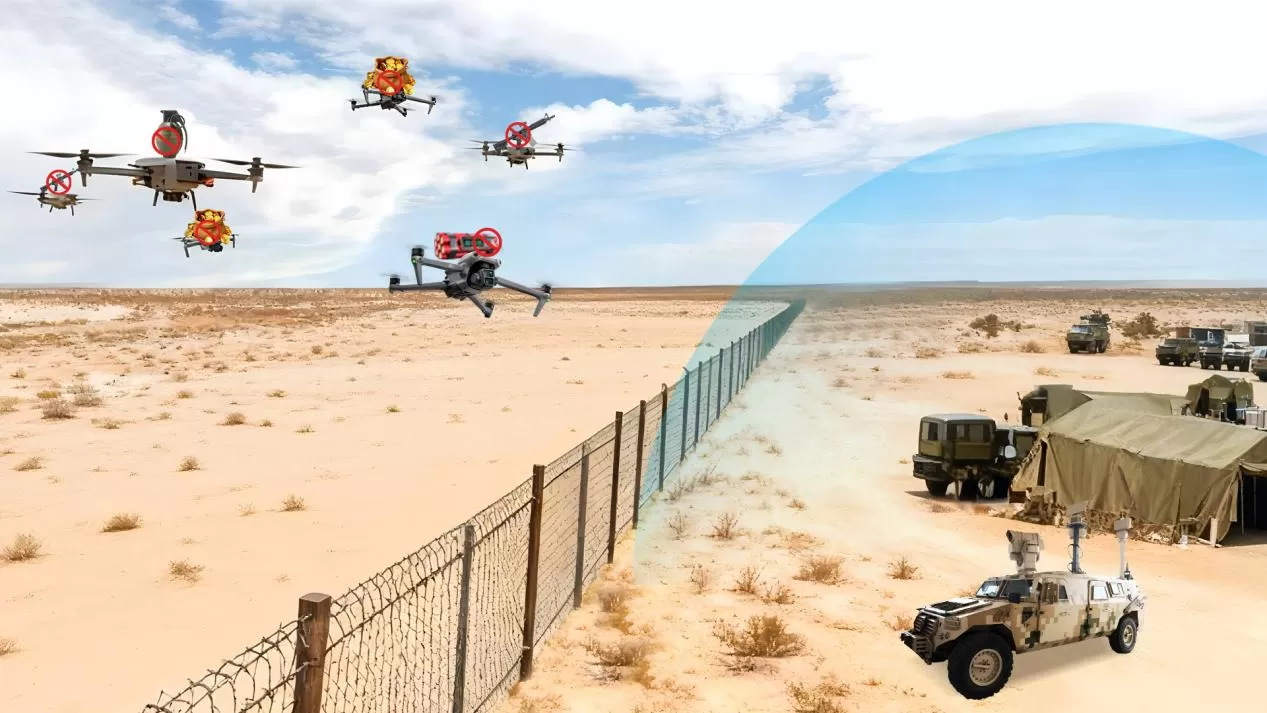
Owing to their high mobility and flexible deployment capabilities, drones have become a prevalent tool for criminals engaging in cross-border smuggling. These unmanned aerial vehicles are often exploited to transport contraband such as drugs, weapons, and even explosives—items that are subsequently used to launch attacks on border regions, border outposts, and sabotage monitoring equipment. Such malicious activities directly jeopardize the safety of border defense personnel and the integrity of critical border infrastructure.
Additionally, equipped with high-definition optical cameras and infrared thermal imaging cameras, drones are frequently utilized for covert border reconnaissance operations. They can stealthily gather sensitive information regarding a country's border defense deployments, which is then transmitted back to criminal or hostile command centers. This intelligence-gathering process lays a solid groundwork for potential precise strikes and other malicious acts in the future.
Drone Misuse in Cross-Border Criminal Activities
1.1 Gibraltar
In November 2025, drone sightings near Gibraltar's runway disrupted flights for two consecutive days, prompting cross-border investigations by authorities on both sides. This is not an isolated incident: in October 2025, two Easy Jet flights departing Gibraltar were delayed due to similar drone sightings, and flight disruptions for the same reason also occurred twice last January. Flying a drone without permission from the Director of Civil Aviation is illegal under Gibraltar law. British Forces Gibraltar stated that it continuously evaluates its capabilities and tactics to ensure site security. However, the drones affecting Gibraltar Airport are believed to be linked to smuggling activities in neighboring Spain, adding complexity to the response.
Spanish law enforcement has recently stepped up crackdowns on illegal drone use by smuggling gangs. Earlier this month, the Guardia Civil announced the dismantling of a drug trafficking ring that used fixed-wing drones to transport cannabis resin across the Strait of Gibraltar. Spain's Pegaso unit, tasked with handling drone-related incidents amid rising civilian drone use, is equipped with a "Global Counter-Drone System" capable of detecting, identifying and neutralizing unauthorized drones.
1.2 Egypt
Cross-border smuggling has long plagued Israel's 125-mile southern border with Egypt, a persistent security challenge. However, drone technology has drastically expanded the scale of this illicit activity and heightened its urgency in recent years. Unlike tunnel or vehicle smuggling, drones easily exploit surveillance gaps, evading fences, checkpoints and patrols to deliver weapons and other contraband from Egypt into Israel’s interior.
After months of repeated sightings and interceptions, Israel's Knesset will hold an "urgent discussion" on drone infiltrations on October 15. Data from the IDF Paran Brigade (which guards the border) shows 384 drone breaches between July 16 and August 25, plus hundreds more sightings—highlighting the severe threat.
Source: https://www.fdd.org/analysis/2025/10/09/israel-moves-to-counter-drone-threat-on-egyptian-border/
1.3 Belgium
Belgium's Defense Ministry has launched an investigation following the sighting of 15 drones over the Elsenborn military base—located near the country's border with Germany—on the night of Thursday, October 2, 2025, media reported. The ministry confirmed to POLITICO on Friday (October 3) that the probe remains ongoing, with no clarity yet on the drones’ origin or their operators. Reports indicated the unmanned aerial vehicles flew into German territory after hovering over the military base.
The incident in Belgium comes at a time when Europe is grappling with a surge in drone-related disruptions that have plagued the continent's airspace. Notably, on the same Thursday evening, a separate drone sighting over Munich Airport prompted air traffic control to suspend operations temporarily. This disruption resulted in the cancellation of 17 flights and impacted nearly 3,000 passengers, underscoring the growing challenge posed by unauthorized drone activity across Europe.
Source: https://www.politico.eu/article/15-suspicious-drones-spotted-above-belgium-military-base/
1.4 Mexico
Weaponized drones threaten border facilities, public-safety infrastructure, utilities and mass-gathering events. A coordinated attack on key facilities like power substations could trigger cascading failures beyond the initial damage.
On October 15, 2025, two explosive-laden drones struck a Tijuana anti-kidnapping unit facility, damaging the building and six vehicles. No casualties were reported, but the U.S. Consulate issued a security alert—an incident seen as a clear warning rather than a test.
Transnational criminal organizations, cartels and terrorists have shifted from experimenting with such drones to operational use, improvising lethal payloads and using swarms to bypass defenses. While policymakers are still studying countermeasures, adversaries are already deploying these capabilities.
Urgent Requirements for Effective Anti-Drone Technologies and Solutions
A series of the aforementioned illegal drone incursions demonstrate that drones have emerged as a "new tool" for cross-border crimes and terrorist activities, making border drone defense a crucial link in safeguarding national security, public safety, and economic order.
Therefore, in the face of diverse and complex border security threats posed by the abuse of drone technology, strengthening border drone defense is no longer an "optional choice" but an "imperative necessity" related to national sovereignty, public safety, and regional stability. Only by accelerating the deployment of integrated "detection-tracking-interception" counter-drone technologies and improving cross-regional and cross-departmental coordinated response mechanisms can we effectively address various illegal drone incursion threats and build a solid barrier for border security.
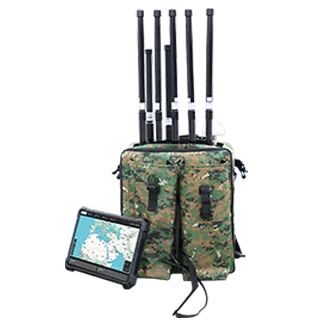
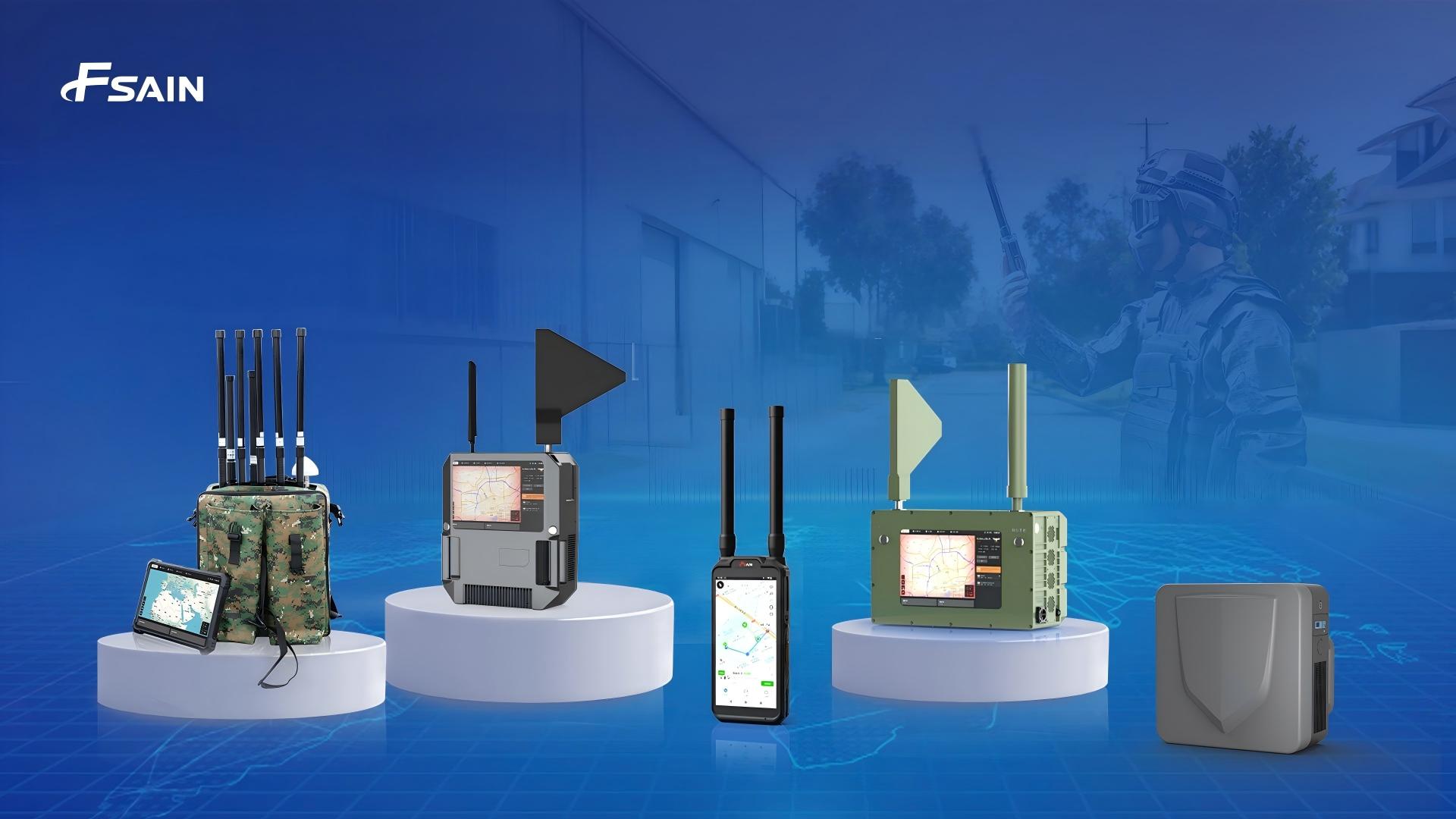
2.1 Portable System:
High Mobility: Compact and lightweight, it can be held, carried over the shoulder, or packed in a backpack by a single person.
Precise Countermeasure Capability: Adopts precise methods like directional interference to counter drones by disrupting their communication/navigation links.
User Friendly: Lowering Operational and Support Thresholds. Streamlined operating procedures require no professional technical background; users can master it after short-term training.
2.2 Stationary System:
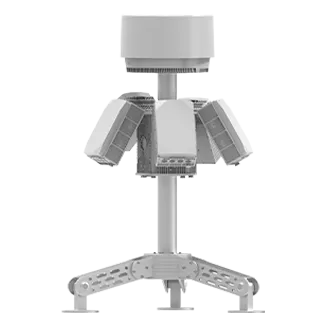
Full-Area Coverage: Integrates multi-sensor fusion technologies such as radar, radio frequency (RF), and electro-optical (EO) systems, with a detection range of 5-10 kilometers.
Continuous Protection: Adopts a fixed deployment mode, connected to stable power supply and communication networks, supporting 24/7 continuous operation without the need for constant manual supervision.
Intelligent Collaboration: Supports linkage with other prevention equipment and command centers in the region, realizing full-process automated collaboration of "detection - identification - early warning - interception" to improve disposal efficiency.
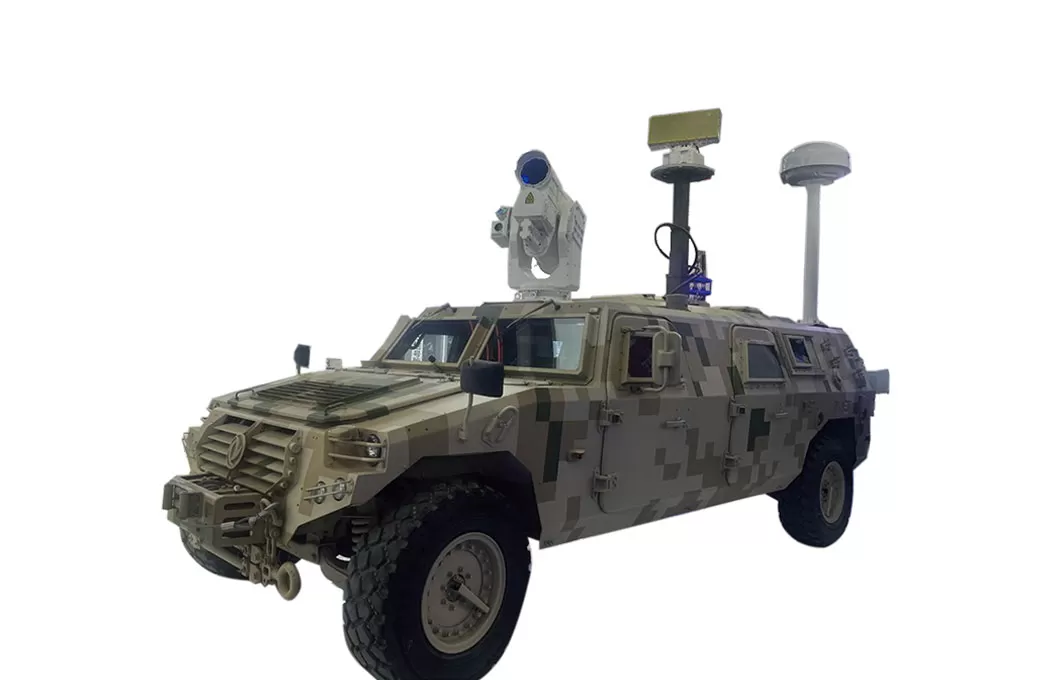
2.3 Vehicle-Mounted System:
Modular Design: Vehicle-mounted structure enables quick deployment and evacuation across scenarios.
High Integration: Fully integrated system with 4 core functions: detection, early warning, interference disposal, command & control.
Flexible Configuration: Tailored C-UAS configurations selectable based on users' specific needs.
Fsain Systematic Solution for Border Drone Defense
Step 1: Full-Domain Coverage and Precise Detection
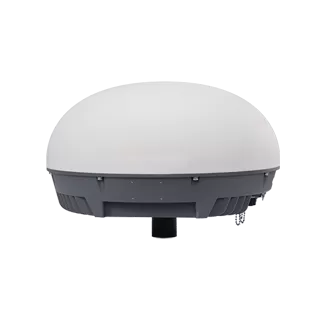
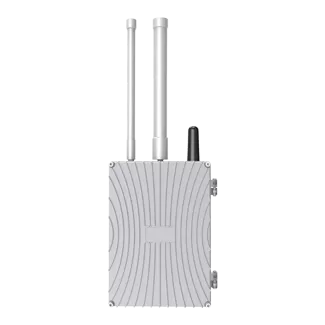
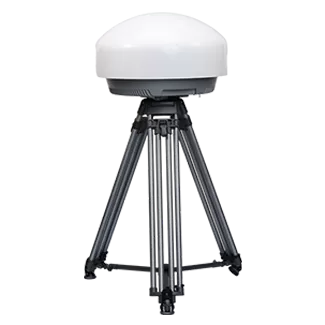
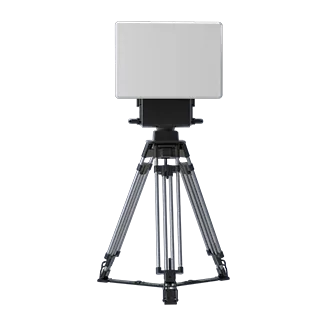
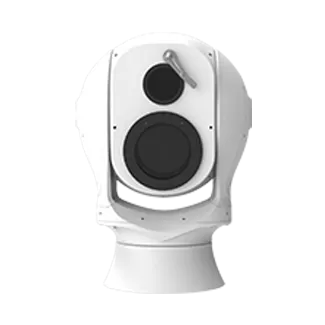
Fixed Detection Stations: Deploy Fsain radars, electro-optical tracking devices, and long-range full-frequency spectrum monitoring equipment at border ports and patrol towers to enable 24/7 monitoring of key areas.
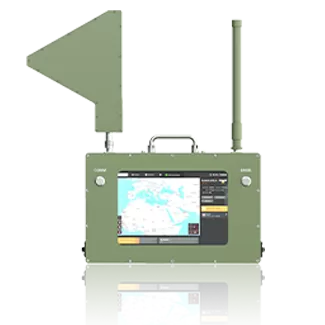
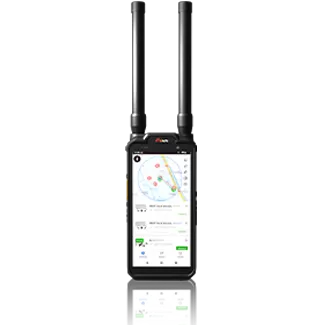
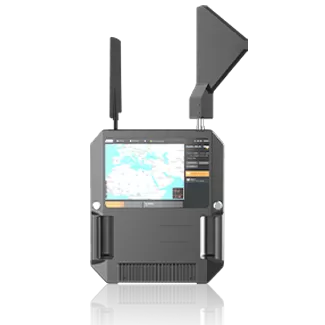
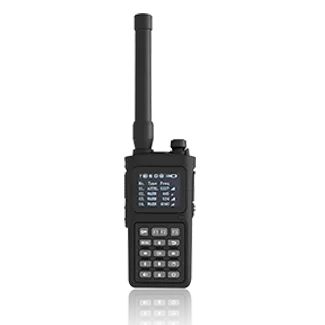
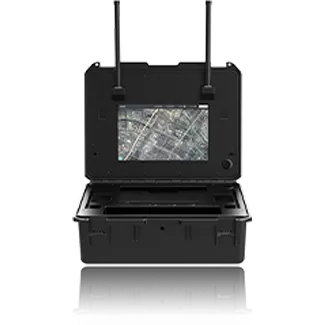
Mobile Detection Points: Border patrol personnel can be equipped with Fsain's handheld detector, drone detector&locator, and other portable detection equipment to effectively address temporary unauthorized drone incidents.
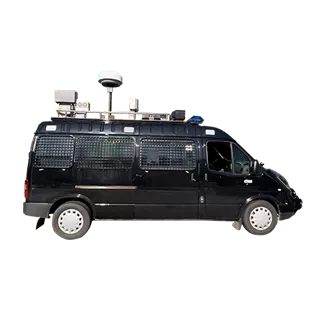
Drone Countermeasure Patrol Vehicles: Border patrol vehicles can be integrated with detection equipment to fill detection blind spots in remote areas.
Meanwhile, all data can be synchronized to the border defense command platform in real time, enabling visual tracking of unauthorized drones' flight paths.
Step 2: Hierarchical Response and Efficient Countermeasures
Low-Risk Unauthorized Drones: For consumer-grade drones that are far from the defense perimeter and enter by mistake, Fsain's GPS spoofing equipment can be used to guide them to return, force them to land, or even drive them away to areas over 30 km away under target guidance.
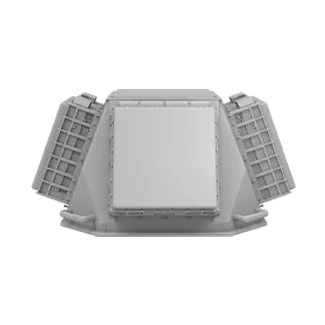
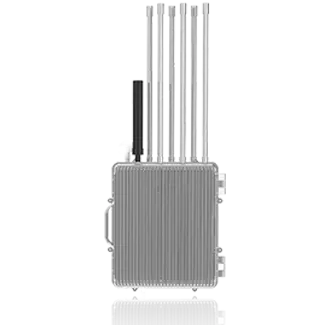
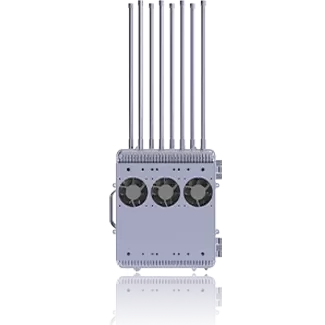
Medium-to-High-Risk Unauthorized Drones: For drones carrying suspicious items or intruding maliciously, Fsain's directional interference equipment and omnidirectional interference equipment can be activated to cut off links such as video transmission, navigation, remote control, and communication, forcing the drones to land in safe areas.
Step 3: Linked Management and Collaborative Defense
Fsain's border defense solution has supported the defense work of multiple border management authorities, customs, and public security departments, jointly building a command and control platform with a full-process mechanism covering early warning, disposal, and traceability of unauthorized drone incidents.
Early Warning Process: When Fsain's detection equipment identifies a target, it immediately reports to the management platform that analyzes radar and spectrum detection data for cross-validation and can guide electro-optical tracking devices for secondary verification. Once confirmed as an intruding drone, an early warning is issued immediately, and information such as the drone's serial number, model, position, distance, and altitude is displayed on the platform.
Disposal Process: Relevant defense departments can set up unattended or manual control modes on the management platform to activate interference and spoofing signals, driving the drone away or forcing it to land.
Traceability Process: After disposal, defense departments can retain data of unauthorized drone equipment (e.g., fuselage codes, control signal sources). This information helps trace the cross-border unauthorized drone industry chain.
References
Additional Portable Anti-Drone Devices