
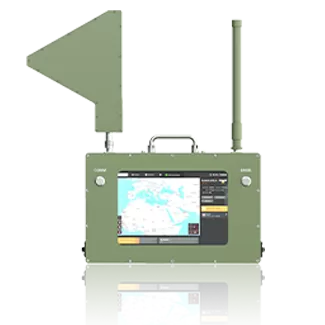
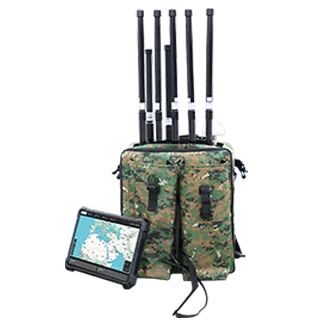
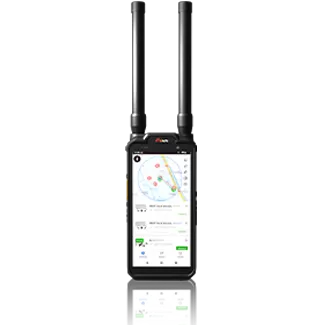

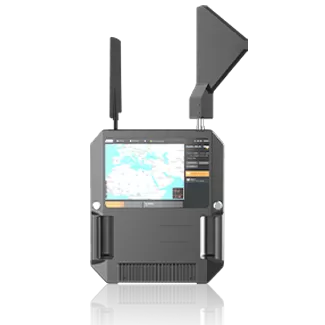
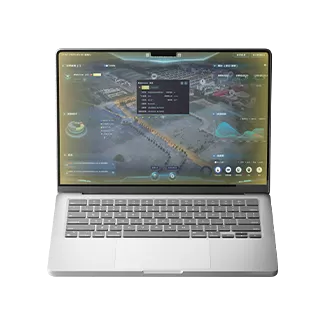


Argus R10
Argus R10 Drone Radar System Core Advantages
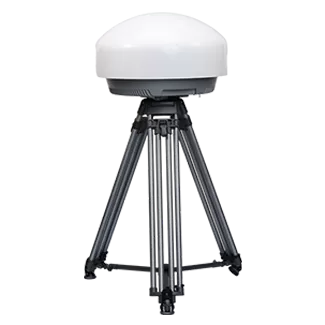
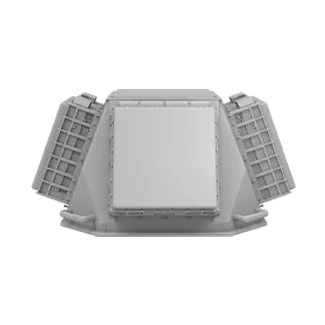
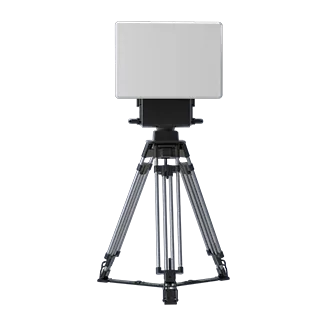
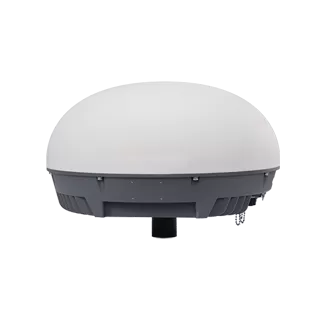
The Argus radar R10 is an all-solid-state, fully coherent pulse-Doppler drone detection radar designed for all-weather detection, tracking and classification of low-altitude, slow-speed and small targets. The system combines radar signal processing with machine-learning-assisted target recognition and can provide track data to EO/IR, RF sensors and a C-UAS control platform for layered site protection.
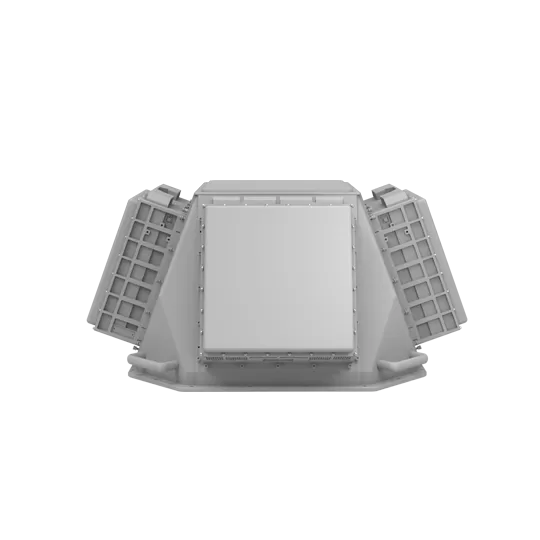
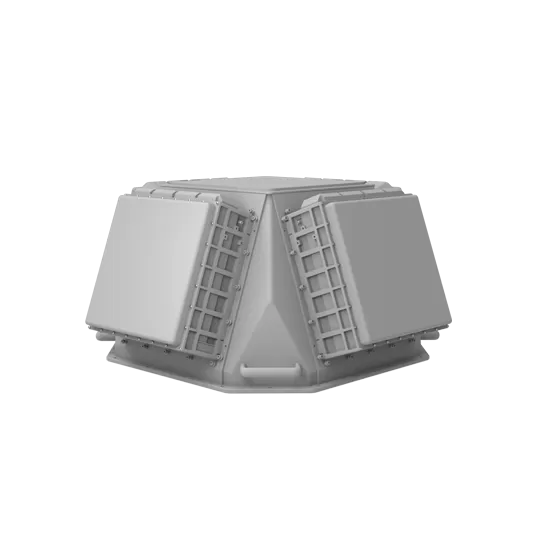
Extreme Sensitivity for Small Targets
≥ 10km(RCS =0.01m² )
High-Precision Pulse Doppler Technology
Massive Multi-Target Capacity
TWS: ≥200
TAS: ≥4
Robust Environmental Adaptability IP66
Argus R10 Counter UAS Radar Functional Capabilities
01
/ 04 FAQs & User Support of Argus R10 Anti-Drone Radar
The radar offers exceptional long-range detection. For extremely small targets with a Radar Cross Section (RCS) of 0.01m² (typical of consumer drones like DJI Mavic), it achieves a detection radius of ≥10km. For larger targets, the range extends even further.
Yes. Utilizing a fully coherent Pulse Doppler system, it effectively detects both low-altitude slow-speed (LSS) targets and high-speed maneuvering targets (1m/s ~ 100m/s). In TWS (Track While Scan) mode, it can simultaneously track ≥200 targets, making it highly effective against drone swarm attacks.
X-Band offers the perfect balance between detection accuracy and environmental resistance. unlike Ku-Band, which suffers significant performance loss in rain or fog (rain fade), X-Band ensures stable long-range detection (≥10km) and reliable performance in all weather conditions, making it the superior choice for 24/7 critical infrastructure security.
Application Scenarios for Argus R10 Drone Radar



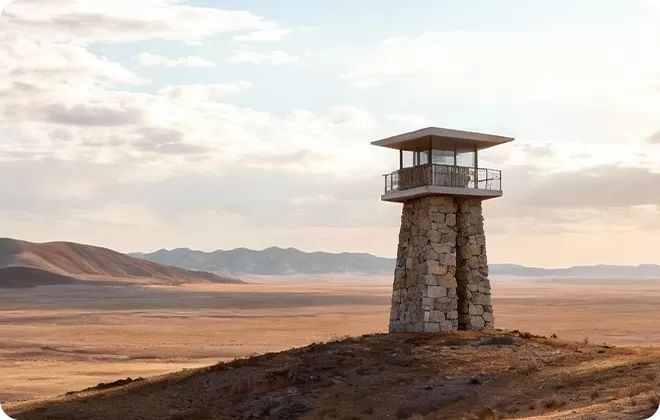




Additional Fixed‑Site C‑UAS System
Get Expert Drone Defense!
Contact us today for a customized anti-drone solution or integrated C-UAS systems based on your site, threat and deployment requirements.
Related Anti-drone Systems Insights
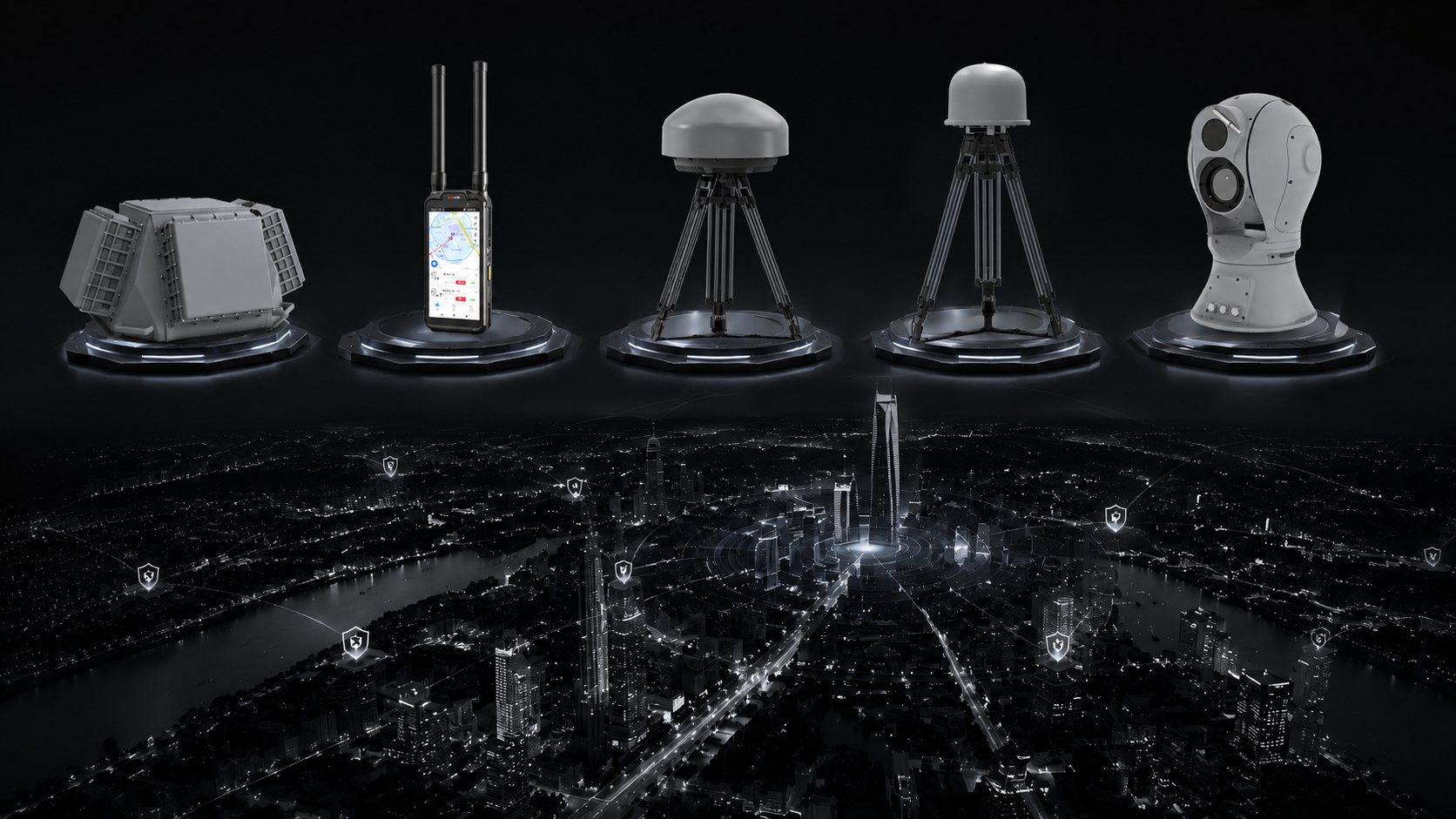
Jul 17, 2026 A drone detector is the first layer of a C-UAS project. Before a security team can track, verify, or respond to an unauthorized UAV, it needs reliable detection data. One sensor rarely covers every th...
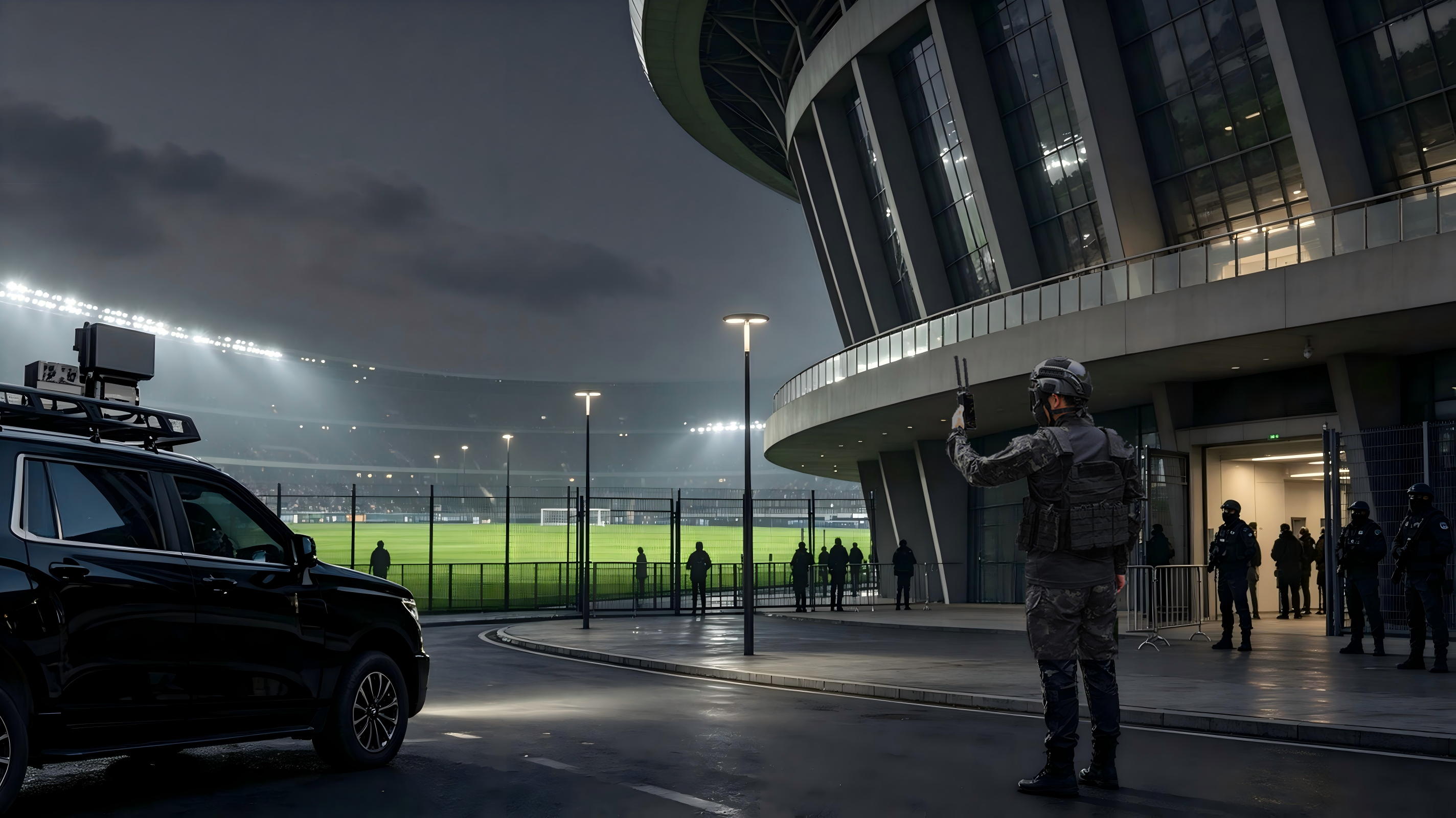
Jul 09, 2026 During the 2026 FIFA World Cup hosted across the United States, Canada, and Mexico, authorities reported numerous unauthorized drone incursions into restricted airspace around stadiums and fan zones.T...


