





Email: sales@fsain.com.cn
Phone: +86-0571-85101359
FIFA World Cup Lessons: Building a Comprehensive Counter-Drone Solution for Large-Scale Events
2026-07-09
Table of Content
[Hide]
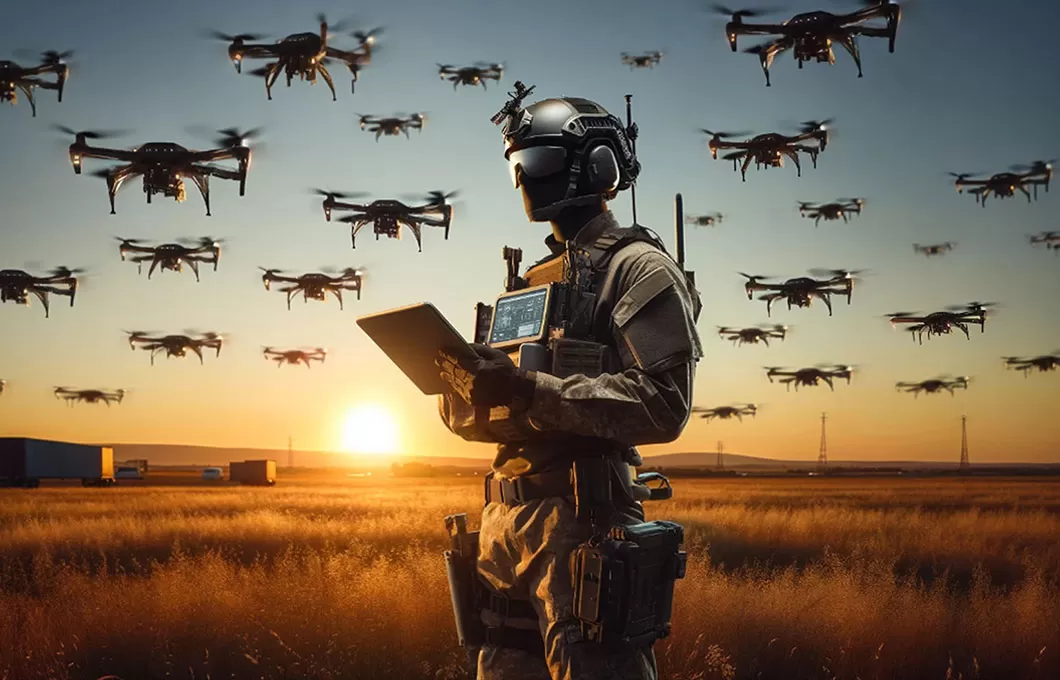
During the 2026 FIFA World Cup hosted across the United States, Canada, and Mexico, authorities reported numerous unauthorized drone incursions into restricted airspace around stadiums and fan zones.
These incidents—from recreational aerial photography to attempts to film closed training sessions—demonstrated that low-altitude security has become an essential component of modern event protection.
For organizers of large public events, establishing a reliable counter-drone strategy is no longer optional—it is a critical element of comprehensive security planning.
Why Low-Altitude Security Matters
Large-scale events concentrate thousands—or even hundreds of thousands—of people within a limited area, making them attractive targets for unauthorized drone activity.
Potential risks include:
· Unauthorized aerial photography or live streaming
· Drones flying over spectators or restricted areas
· Privacy breaches involving VIPs or athletes
· Disruption to event operations and broadcasting
· Potential public safety threats from malicious drone use
Traditional security patrols alone are no longer sufficient to detect and respond to these evolving low-altitude threats. Effective protection requires an integrated combination of technology, personnel, and coordinated response procedures.
Key Lessons from the World Cup
The multi-country security deployment during the World Cup highlights three essential principles for protecting large-scale events.
1、Establish Airspace Rules Before the Event
Clear communication is the first line of defense.
Organizers should announce temporary flight restrictions (TFRs), no-fly zones, and applicable regulations well before the event through official websites, social media, ticketing platforms, and venue signage.
Public awareness significantly reduces accidental violations while providing a legal basis for enforcement against intentional intrusions.
2. Deploy Security Based on Risk Levels
Different areas within an event require different levels of protection.、
High-Risk Zones
· Main stadiums
· Performance stages
· VIP areas
· Opening and closing ceremony venues
These areas require continuous monitoring using fixed surveillance systems capable of providing 24/7 airspace awareness.
Medium-Risk Zones
· Fan zones
· Exhibition areas
· Parking lots
· Entrances and exits
A combination of fixed monitoring systems and mobile patrol units provides flexible coverage.
Perimeter Areas
· Surrounding roads
· Temporary gathering locations
· External patrol routes
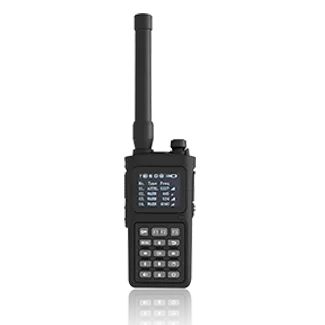
Portable detection equipment enables security personnel to rapidly investigate suspicious drone activity beyond the venue perimeter.
This layered deployment strategy improves protection while optimizing operational resources.
3. Build a Rapid Multi-Agency Response Mechanism
Effective counter-drone operations depend not only on detecting drones but also on responding quickly.
A complete response workflow typically includes:
Detection → Identification → Risk Assessment → Pilot Localization → Coordinated Response → Airspace Recovery
By integrating venue security, law enforcement, airspace management, and command centers into a unified operational framework, organizers can significantly reduce response time and improve incident handling efficiency.
At Fsain Technology, these principles have been validated through real-world deployments supporting major international and national events, including the Hangzhou Asian Games, the Harbin Asian Winter Games, and provincial football league competitions across China. This operational experience enables us to deliver practical, field-proven low-altitude security solutions for diverse event scenarios.
A Comprehensive Counter-Drone Solution for Large Events
An effective event security solution combines persistent monitoring, mobile patrols, response capabilities, and centralized command into one integrated system.
1、Continuous Airspace Monitoring
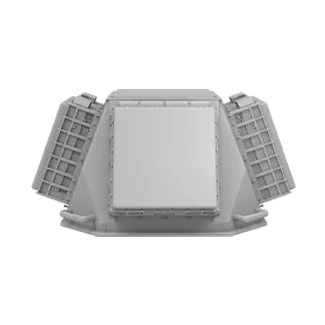
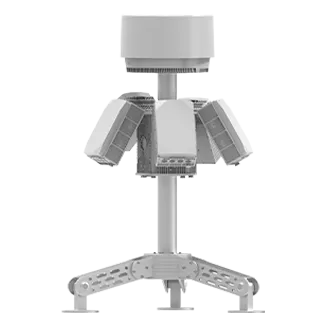
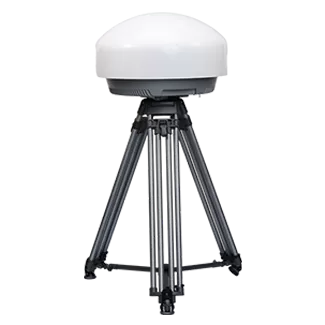
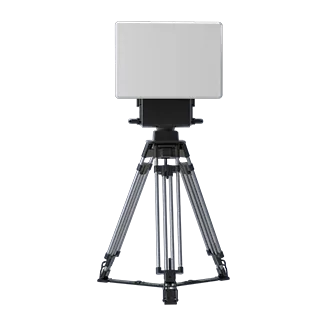
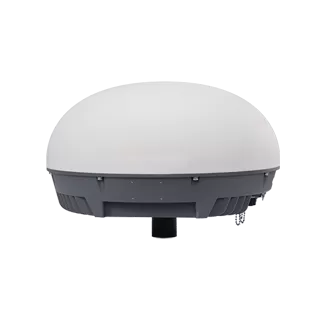
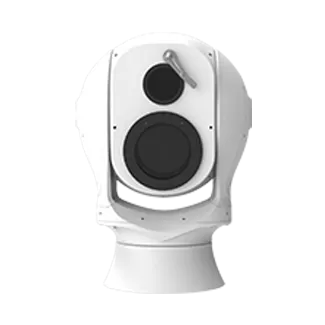
Fixed monitoring stations are deployed around the venue to continuously detect drone signals, receive Remote ID broadcasts, identify drone activity, and track flight paths in real time.
Coverage typically includes:
· Main venue
· Spectator seating areas
· Parking facilities
· Surrounding airspace
· Temporary event zones
This provides uninterrupted situational awareness throughout the event
2、Mobile Patrol Operations
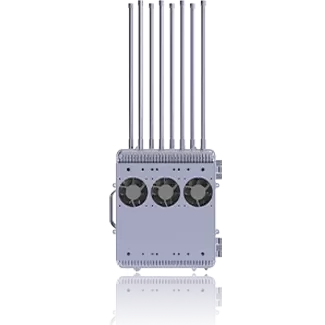
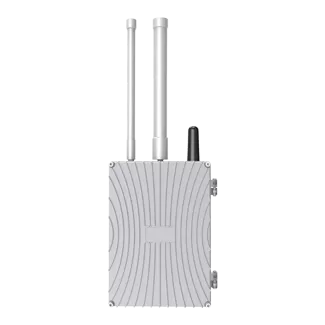
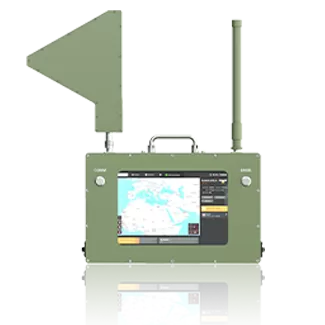
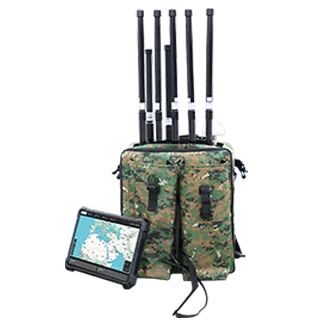
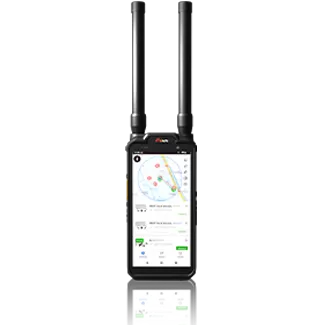
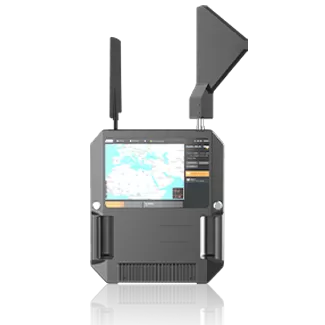
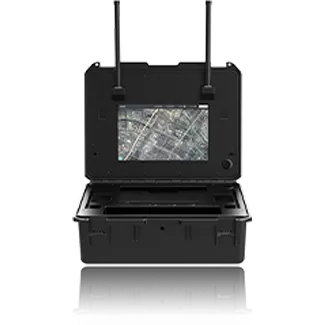
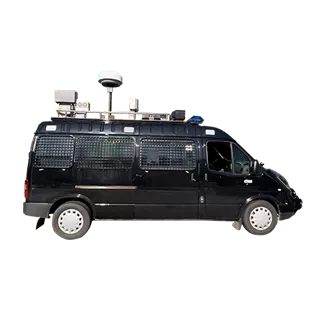
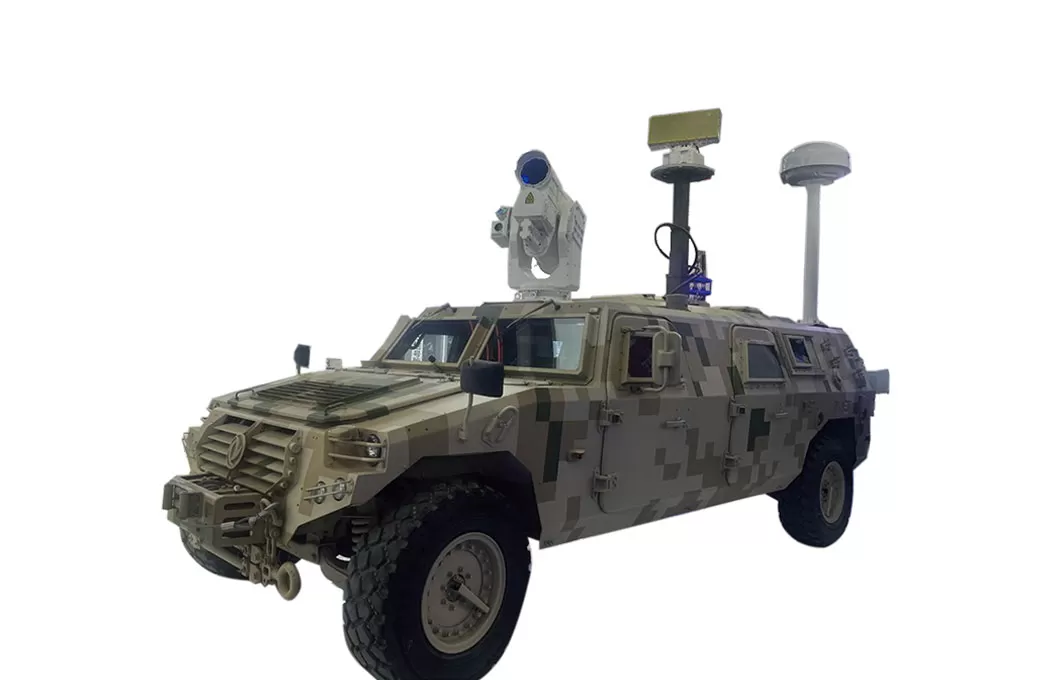
Vehicle-mounted systems and portable drone detection equipment enable security teams to monitor areas beyond fixed coverage.
Mobile patrol units can rapidly verify alerts, locate drone operators, and respond to incidents wherever they occur.
This flexible deployment is particularly valuable for large outdoor venues and temporary event sites.
3、Graduated Countermeasures
Different threats require different responses.
Based on operational requirements and applicable regulations, security teams can implement proportionate countermeasures for unauthorized drones, including electronic countermeasures where legally permitted, to safely mitigate potential threats while minimizing disruption to surrounding communications.
A risk-based response ensures both operational effectiveness and public safety.
4、Centralized Command and Management
A unified command platform integrates all monitoring devices into a single operational interface, providing:
· Real-time drone detection and tracking
· Alarm management
· Flight trajectory visualization
· Multi-device coordination
· Historical event recording and analysis
This enables security personnel to maintain comprehensive situational awareness and make informed decisions throughout the event.
Typical Applications
A comprehensive low-altitude security solution is suitable for a wide range of scenarios, including:
· International sporting events
· Concerts and music festivals
· Trade shows and exhibitions
· Cultural celebrations
· Public ceremonies
· Marathons and road races
· International conferences and summits
The solution can be flexibly configured using fixed, portable, and mobile systems to meet the specific requirements of different venues and event scales.
Conclusion
As drone adoption continues to grow worldwide, protecting low-altitude airspace has become a fundamental requirement for modern event security.
The experience gained from the 2026 FIFA World Cup demonstrates that effective protection depends on proactive airspace management, layered deployment strategies, and coordinated multi-agency response.
By integrating continuous monitoring, mobile surveillance, intelligent command platforms, and appropriate response capabilities, event organizers can establish a comprehensive low-altitude security framework that safeguards spectators, participants, and critical infrastructure—ensuring every event is conducted safely, securely, and without disruption.
References
Additional Portable Anti-Drone Devices