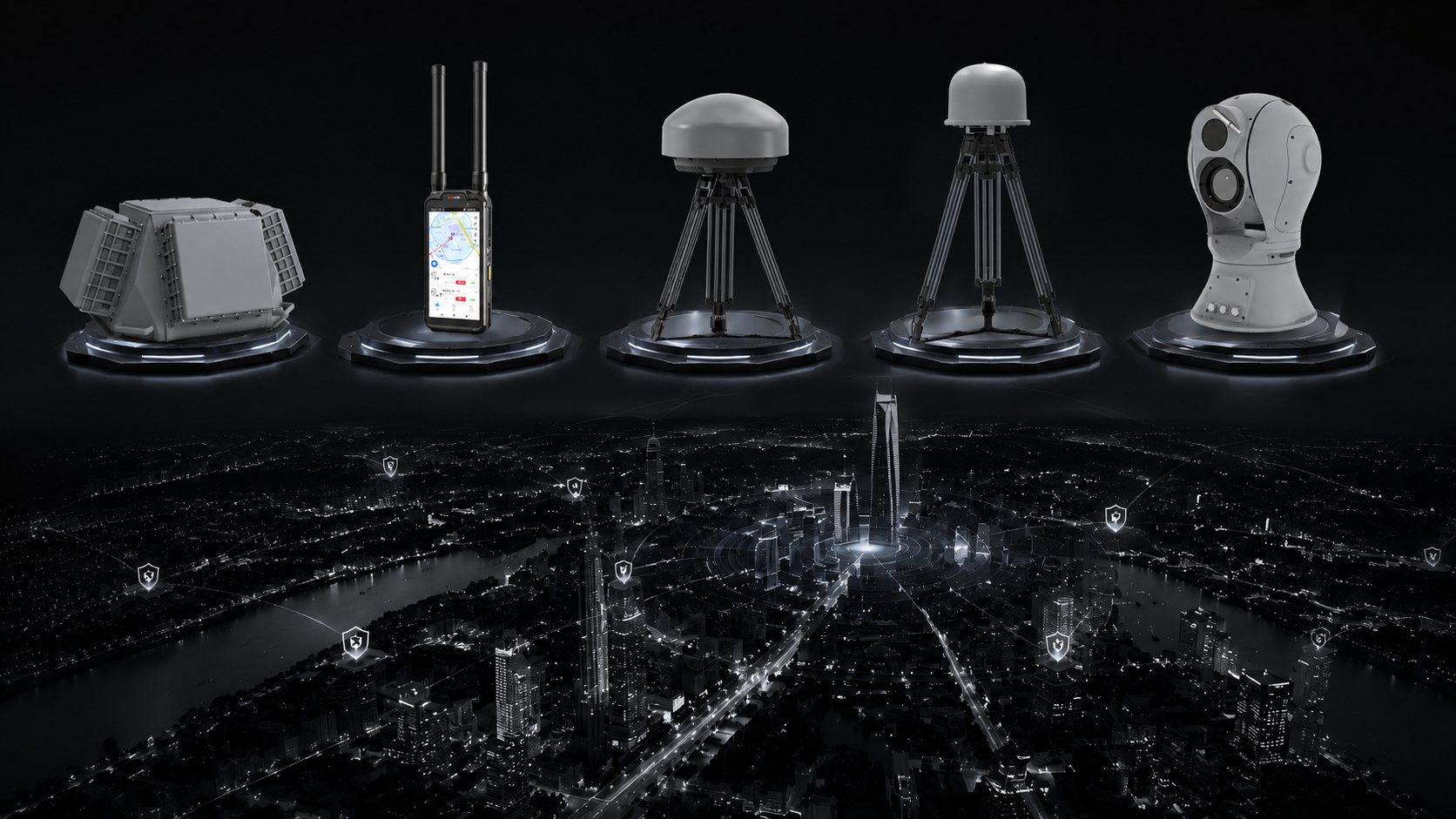
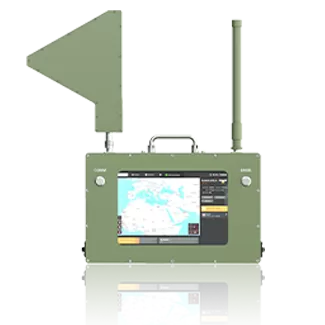
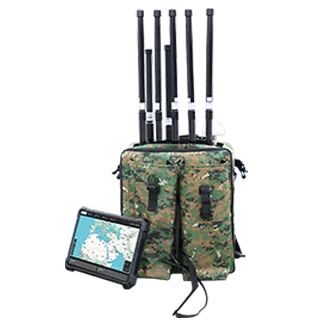
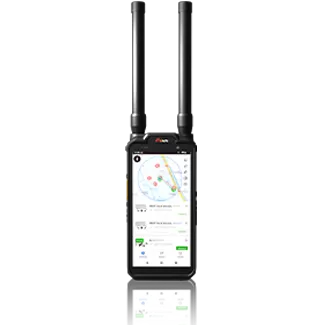

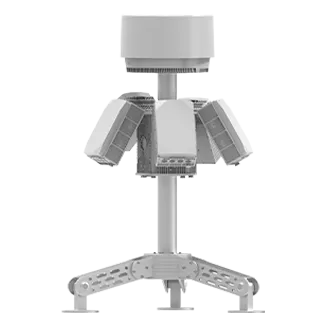
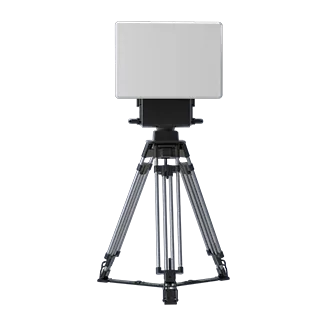
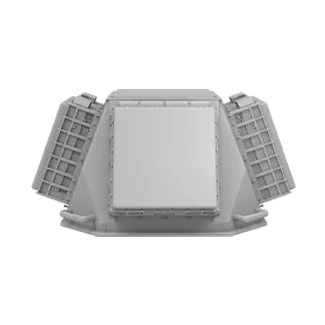
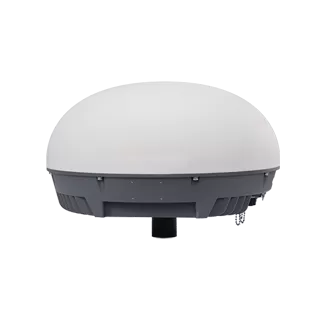
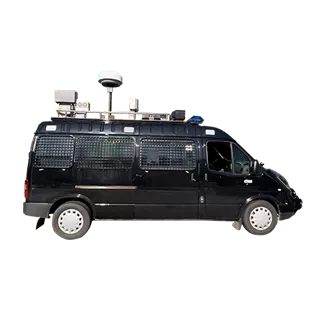
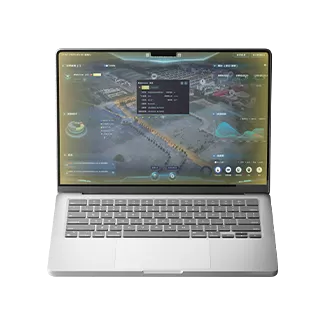


Jul 17, 2026 A drone detector is the first layer of a C-UAS project. Before a security team can track, verify, or respond to an unauthorized UAV, it needs reliable detection data. One sensor rarely covers every th...

In modern counter-UAV systems, the integration of diverse sensors—including Radar, EO/IR cameras, RF sensing, and RemoteID—is vital for establishing a high-fidelity low-altitude security picture. Since no single sensor can address all threats (such as "silent" drones or complex clutter), a multi-layered fusion approach is essential to achieve comprehensive situational awareness. This integration is executed through three distinct hierarchical paths:
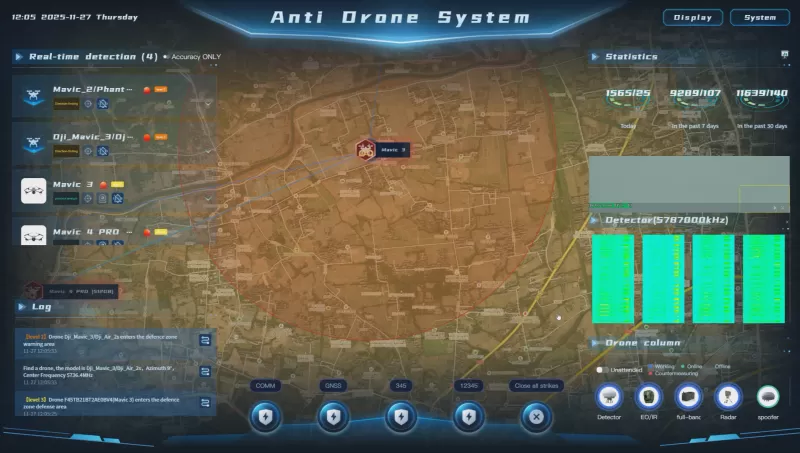
At the foundational level, signal-level fusion focuses on raw data acquisition, denoising, and spatiotemporal alignment. To resolve the accuracy of incoming data, the system performs precise registration to unify disparate formats. Specifically, it manages time synchronization (maintaining delays between protocol analysis and radar at ≤3s) and spatial alignment (limiting errors to ≤50m in range and ≤ 5° in angle). This rigorous calibration allows heterogeneous data to be incorporated into a potential matching pool for further processing.
The highest tier, decision-level fusion, merges preliminary findings from independent subsystems into a unified verdict. For instance, while the radar detects a potential object and RF sensing identifies a drone signal in the vicinity, the EO/IR confirms the target’s identity. By utilizing a weighted multi-source fusion model based on the confidence level of each sensor, the system achieves precise target association, identity recognition, and threat assessment, providing a complete and actionable security intelligence.
As a current research priority, feature-level fusion extracts unique attributes from each sensor—such as radar micro-motion spectra, EO/IR image feature vectors, and RF signal fingerprints. By converting diverse data forms into unified feature sets, the system overcomes the challenge of heterogeneous data structures. Advanced trajectory fusion algorithms, such as Longest Common Subsequence (LCSS), are employed to match paths across different sensors, ensuring that multiple data streams consistently describe the same target.