






Email: sales@fsain.com.cn
Phone: +86-0571-85101359
Why Stopping Drone Swarms Begins Long Before They Reach Your Perimeter
2026-05-09
Table of Content
[Hide]
Why Forward Defense Matters Now
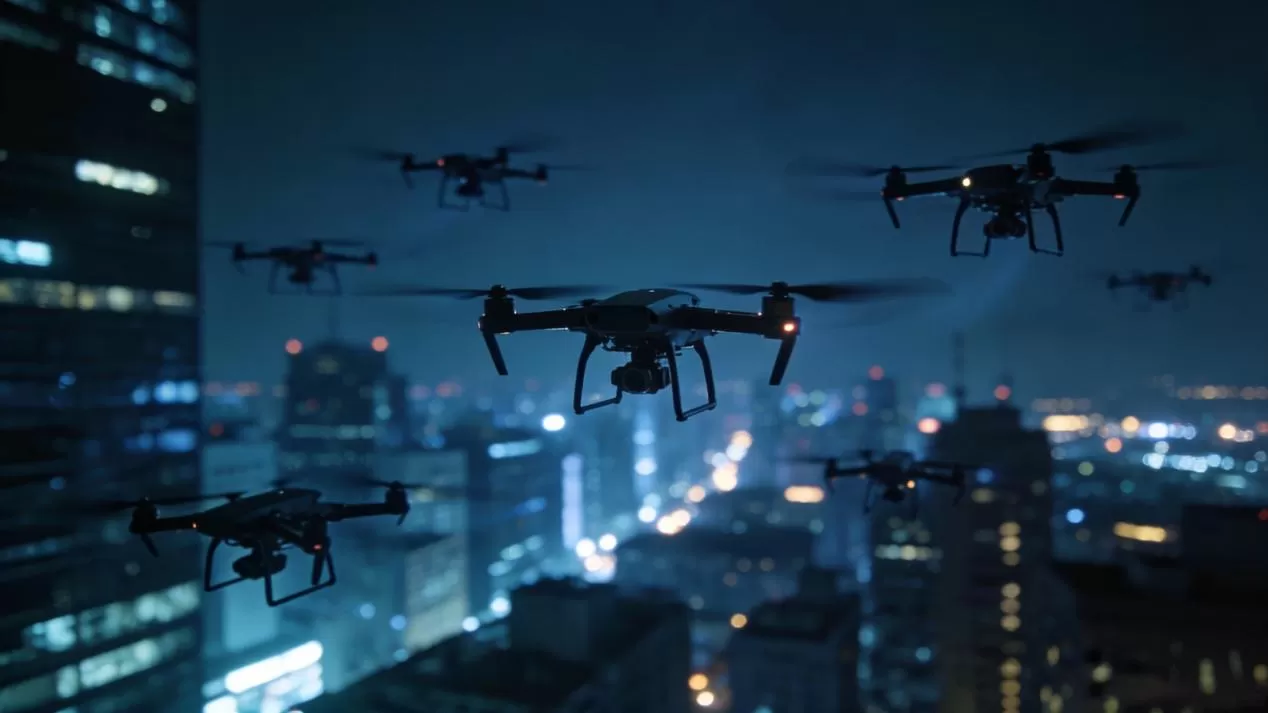
As unmanned aerial systems (UAS) become more intelligent, affordable, and accessible, drone swarms—multiple coordinated UAVs acting as a single entity—are emerging as a serious threat to airports, military bases, critical infrastructure, and large-scale public events.
Swarms can conduct surveillance, deliver payloads, or overwhelm traditional defenses through sheer volume and coordination.
Relying solely on close-range or reactive countermeasures is no longer effective. Modern C-UAS operations must adopt a robust forward defense strategy—detecting, engaging, and neutralizing threats at the earliest stage to protect people and assets.
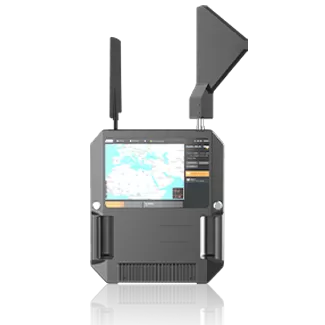
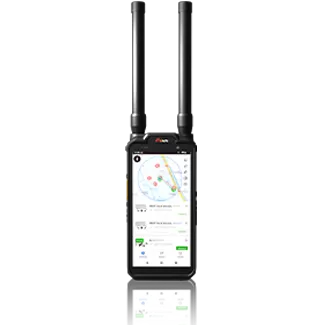
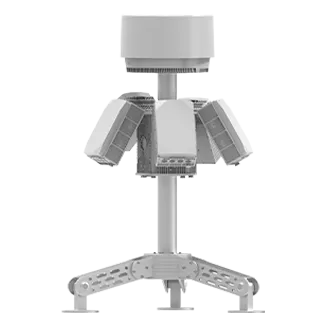
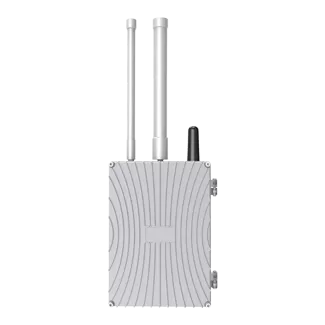
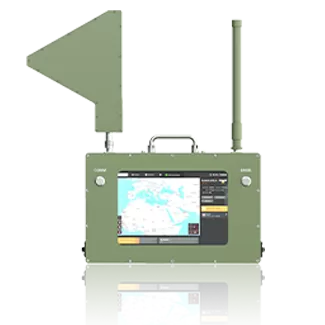
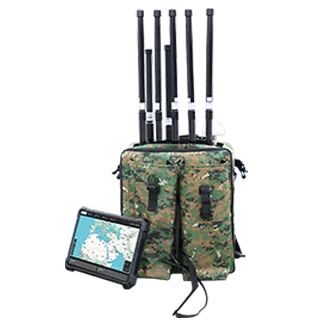
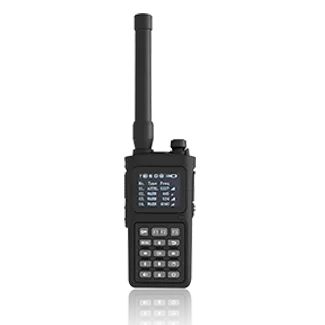
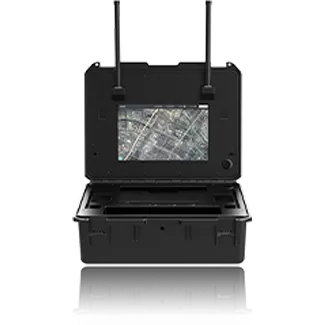
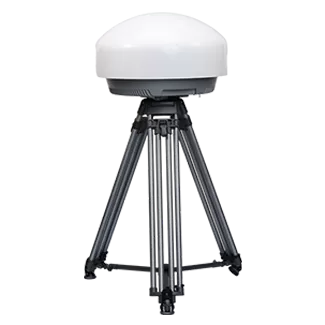
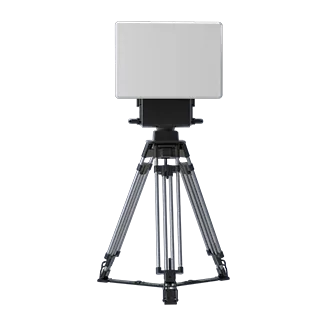
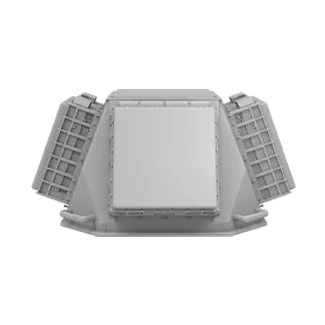
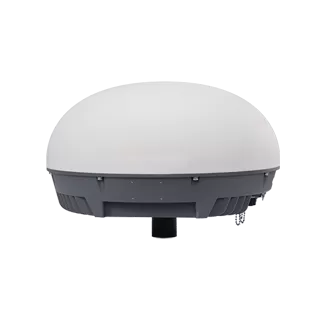
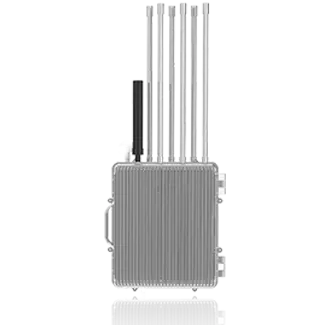
Fsain delivers a fully integrated C-UAS portfolio—combining RF detectors, RF interferences, software platforms, and flexible form factors (fixed, portable, vehicle-mounted)—that enables modular, interoperable forward defense tailored to any operational environment.
What Is Forward Defense in a C-UAS Context
Forward defense is the practice of identifying, engaging, and neutralizing aerial threats as far away from protected assets as possible. For swarms, this means:
Establishing early-warning layers miles ahead of vital zones
Disrupting swarm formation or communications before infiltration
Reducing enemy force density prior to entering inner defense layers
Unlike traditional point-defense systems that react close to the target, forward defense buys time, reduces pressure on downstream systems, and increases the likelihood of successful neutralization.
Challenges Posed by Drone Swarms
Decentralized control: Swarms may operate autonomously or with peer-to-peer logic, reducing reliance on a single control signal
High-speed saturation: Dozens or hundreds of drones can arrive simultaneously, overwhelming kinetic interceptors
Small radar cross-section: Individual units are hard to detect and track
Coordinated behavior: Swarms may split, surround, or act as decoys, complicating targeting logic
These factors make late-stage interception extremely difficult and costly—if not impossible—without prior disruption.
Why Forward Defense Is Critical for Swarm Scenarios
Increases interception odds while drones are still dispersed: Early detection enables fragmentation and isolation tactics that prevent cohesive action near high-value assets.
Reduces cognitive and technical load on inner layers: Thinning swarm numbers or breaking formations early prevents backend systems (lasers, interferences, hunters) from being overloaded.
Maximizes long-range electronic suppression: Disabling swarm coordination links or confusing navigation systems from afar allows RF interference and GNSS spoofing to achieve greater effect.
Minimizes collateral risk: Stopping a swarm miles away from people or critical equipment lowers the risk of debris, electromagnetic side effects, or failed interceptions.
Elements of an Effective Forward Defense Strategy
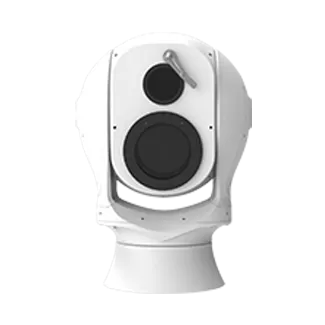
Long-Range Detection Assets: Deploy AESA radar, RF spectrum monitors, and electro-optical sensors at the outer ring, typically 5–10 km from core zones, to establish overlapping detection coverage and early warning.
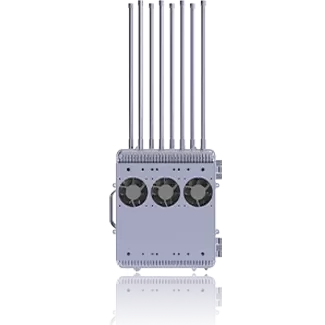
Layered Electronic Suppression Network: Position drone-specific interferences and GNSS spoofers at the perimeter edge and create overlapping RF denial bubbles to disrupt swarm communication and navigation. When combined with detection and assessment layers, this hardened outer shell neutralizes swarm synergy before it reaches sensitive areas.
Mobile or Fixed Hunter Units:
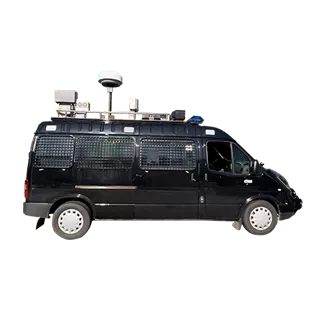
Deployable as either fixed ground-based systems or mobile platforms such as vehicle-mounted or shipborne units at strategic chokepoints to interdict, disable, or capture hostile UAVs.
Conclusion: Think Forward to Win the Swarm Fight
Whether safeguarding military installations, securing international airports, protecting remote energy sites, or ensuring safety at public venues, the principle is the same: interception must begin far from the perimeter. By investing in layered, sensor-rich, and intelligently managed forward defense systems, defenders can turn the tide against even the most advanced drone swarm threats.
References
Additional Portable Anti-Drone Devices