
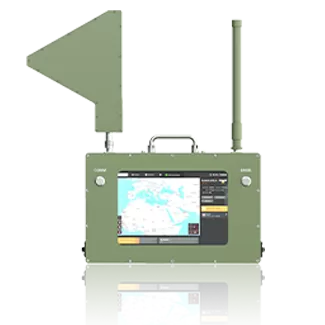
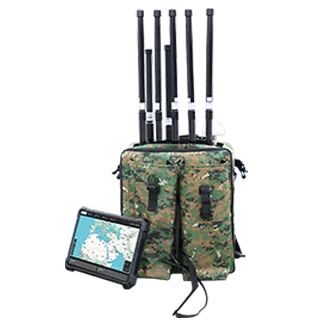
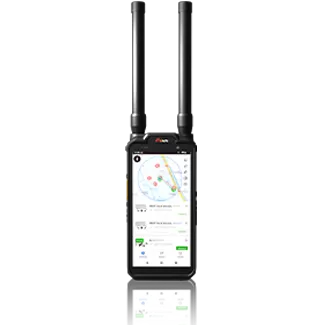

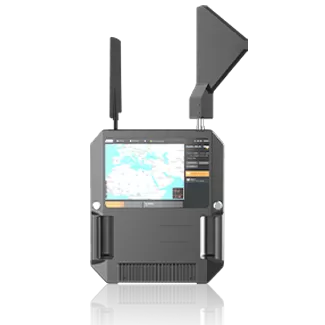
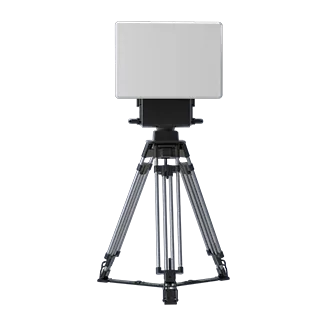
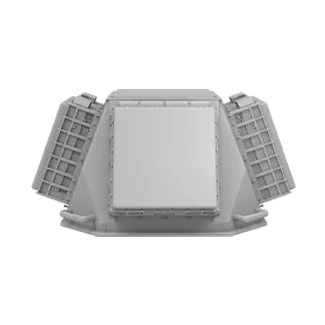
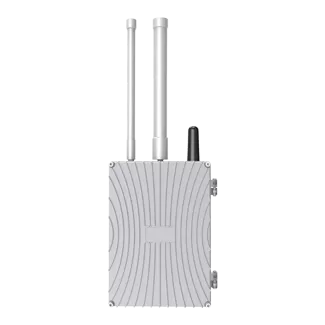
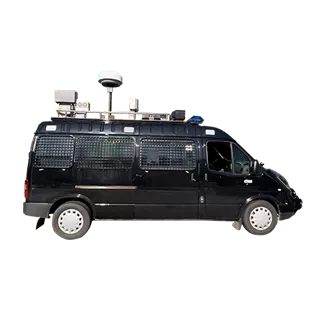
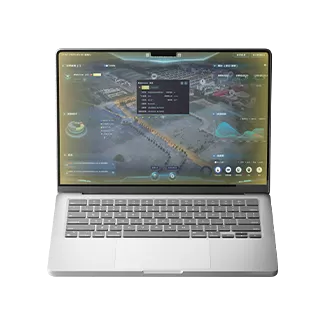


Argus D20
Argus D20 Detector Core Advantages
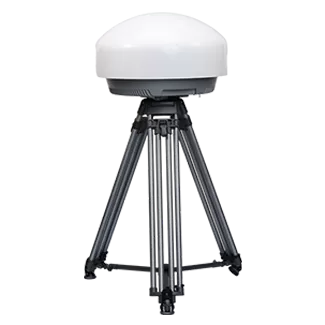
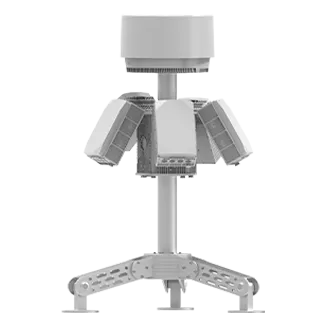
The fixed drone detector functions the drone detection, early warning, model identification and positioning tracking within the detection range by detecting radio signals radiated by drones. It utilizes the radio spectrum analysis, Drone ID and Remote ID.
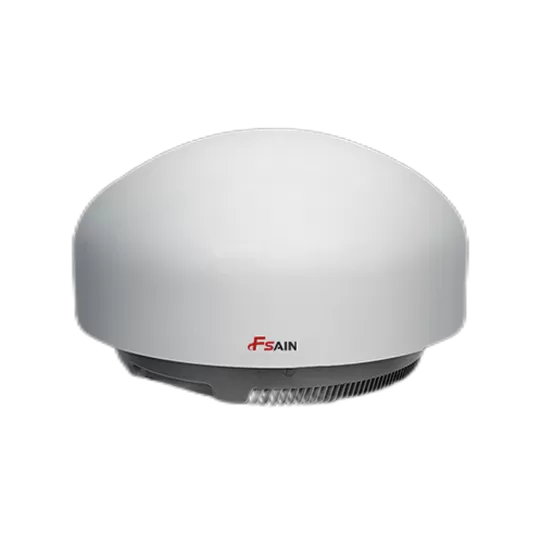
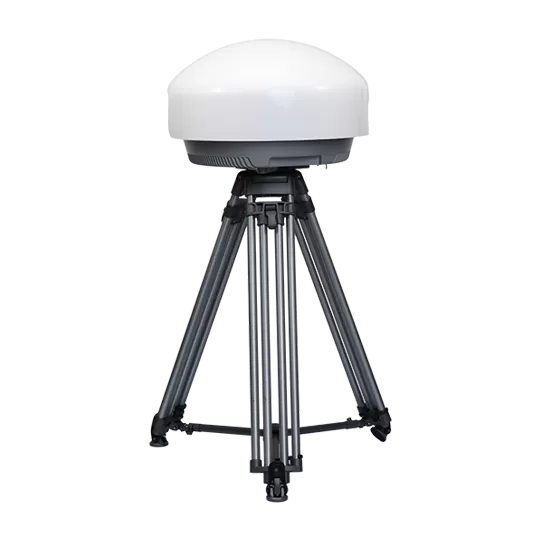
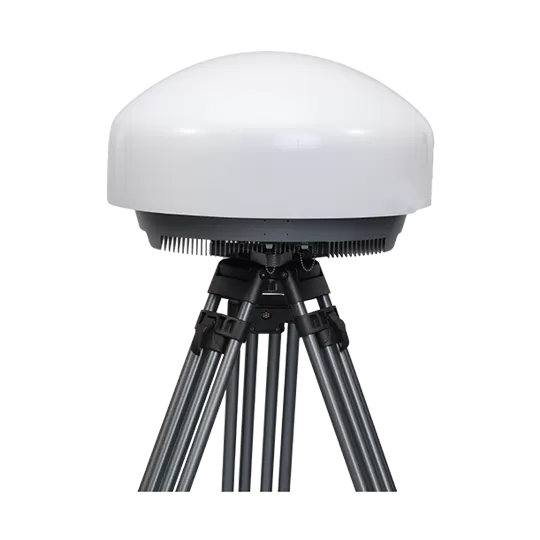
20MHz–8000MHz Full-Spectrum Coverage
Full-spectrum identification of commercial, FPV, and DIY drones on both standard and modified frequencies.
3~10km Surveillance Range
Provides an effective detection radius of 3 to 10 km.
High-Precision Positioning
Supports robust positioning and direction-finding for the majority of UAV types.
High-Capacity Multi-Target Tracking
Designed to simultaneously detect, lock onto, and track a large number of targets.
Argus D20 Detector Functional Capabilities
01
/ 04 FAQs & User Support of Argus D20 Detector
Yes. The system is engineered with Full-Band Detection (20MHz–8000MHz). Unlike standard detectors that only cover Wi-Fi bands, it can effectively detect and classify FPV drones, frequency-hopping remote controllers, and DIY models utilizing non-standard frequencies.
Yes. With a rapid identification speed of under 2 seconds, the system provides immediate real-time early warning. This allows security teams maximum reaction time to track high-speed targets (like FPVs) and deploy countermeasures effectively.
AOA (Angle of Arrival): A single-station technology that calculates the direction (azimuth) of the drone signal using an antenna array. It tells you which direction the drone is coming from using just one device.
TDOA (Time Difference of Arrival): A network-based technology that requires multiple units (usually 3+) deployed in different locations. By measuring the time difference of signal reception, it uses triangulation to pinpoint the drone's exact coordinates (latitude/longitude) and trajectory on the map.
Application Scenarios for Argus D20 Drone Detector




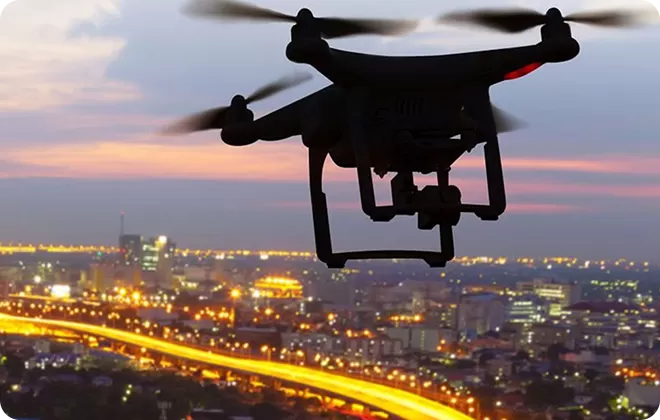





Additional Fixed‑Site C‑UAS System
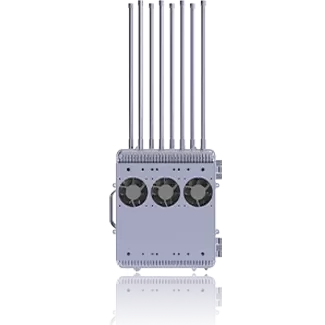
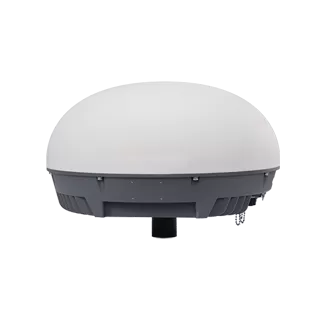
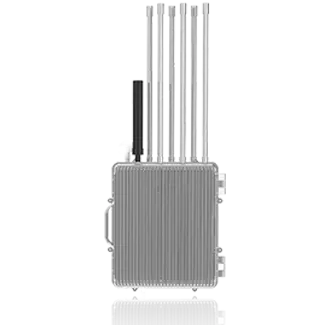
Get Expert Drone Defense!
Contact us today for a customized anti-drone solution or integrated C-UAS systems based on your site, threat and deployment requirements.
Related Anti-drone Systems Insights
Jul 17, 2026 A drone detector is the first layer of a C-UAS project. Before a security team can track, verify, or respond to an unauthorized UAV, it needs reliable detection data. One sensor rarely covers every th...

Jul 09, 2026 During the 2026 FIFA World Cup hosted across the United States, Canada, and Mexico, authorities reported numerous unauthorized drone incursions into restricted airspace around stadiums and fan zones.T...


