
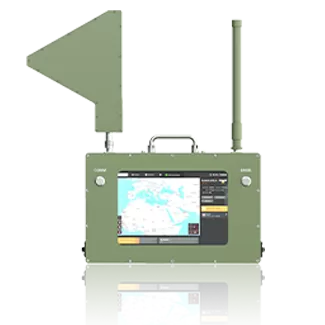
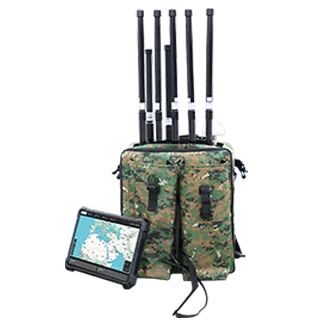
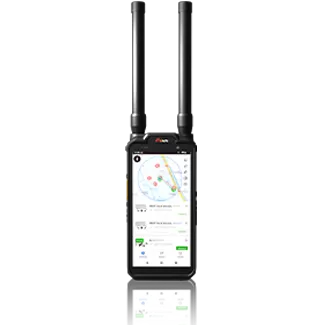
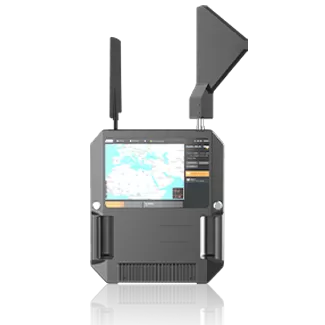
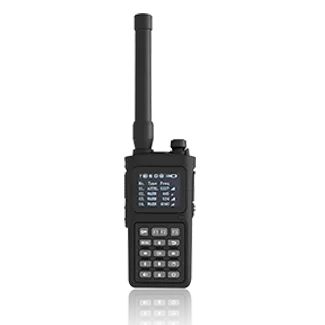
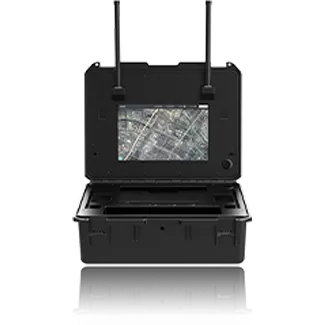
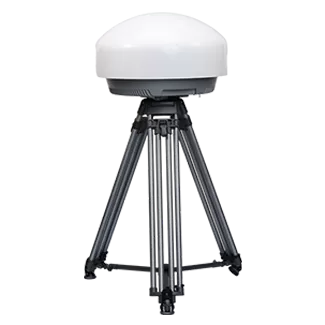
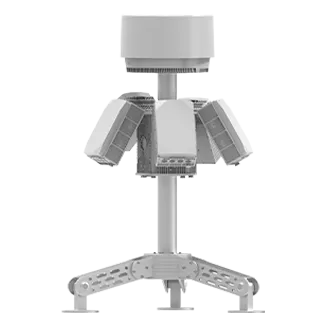
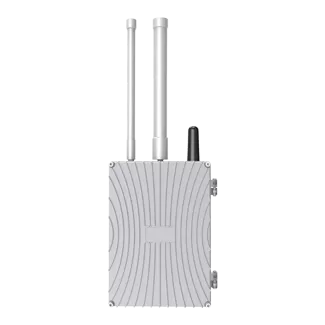
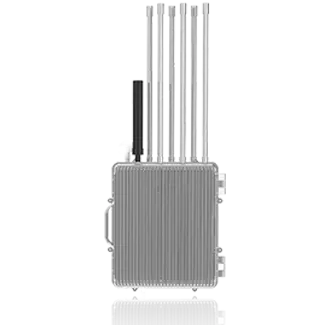
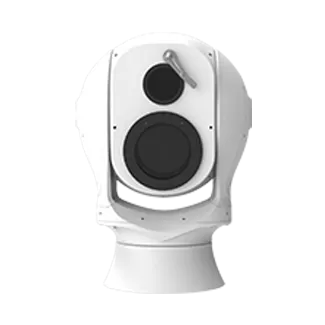


Thor M40
Thor M40 Omnidirectional Defender Core Advantages
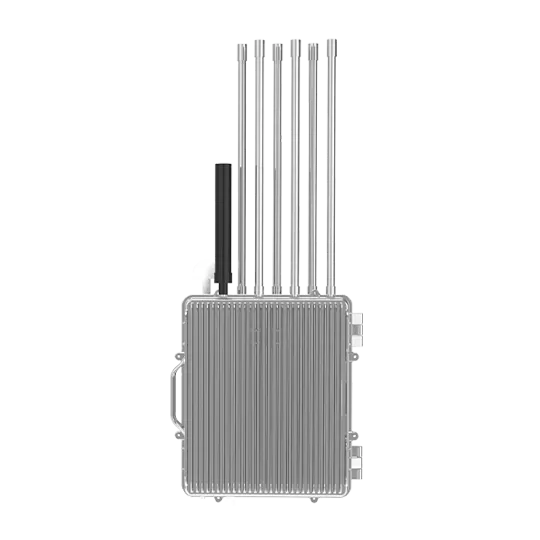
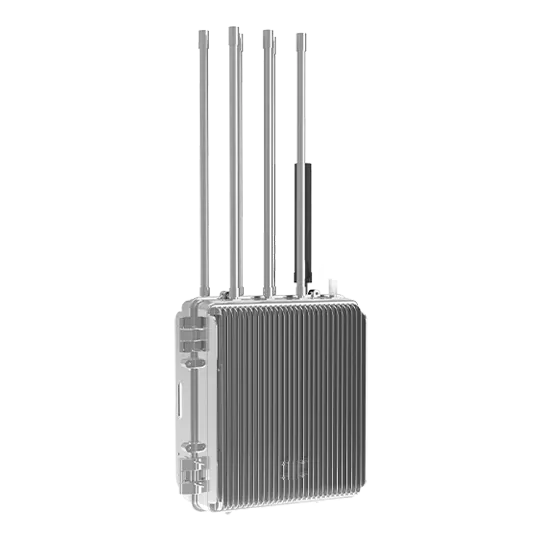
The omnidirectional multi-mission defender integrates detection and nterference functions. It can detect illegal invading drones by analyzing their spectrum characteristics and Drone ID. It can interfere and block drone signals to force the drone to return or land through electromagnetic suppression technology.
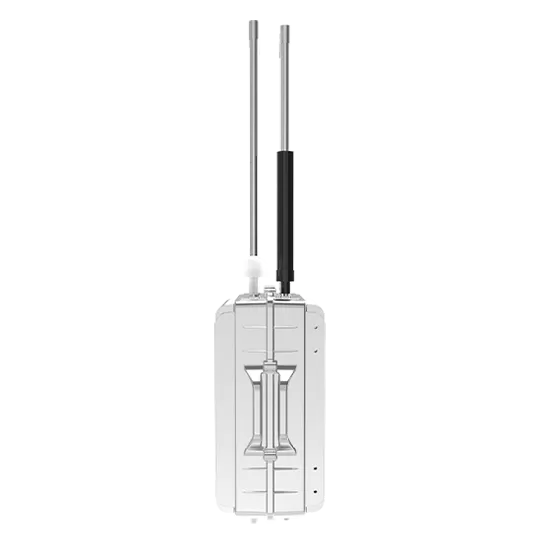
360° Instant Dome Protection
Covering all horizontal directions (360°) and low-altitude vertical space.
Tri-Mode Precision Detection
Integrates three complementary detection technologies (Spectrum + Drone ID + Remote ID).
Extreme Environmental Adaptability
IP66.
High-Power Integrated Defense
Detection Radius of ≥4km; Interference Radius of ≥2km.
Thor M40 Omnidirectional Defender Functional Capabilities
01
/ 03 FAQs & User Support of Thor M40 Omnidirectional Defender
The main advantage is Instant 360° Response. Directional Drone Interference must physically rotate to aim at the target, which can be too slow for drone swarms attacking from multiple sides.
Yes. The system is equipped with advanced algorithms to detect and decode Remote ID signals. This ensures compliance with modern airspace regulations and allows for more precise identification of compliant drones versus non-cooperative threats.
Absolutely. The interference module covers a wide array of frequencies, including 400MHz, 800MHz, 900MHz, and 1.2GHz, which are commonly used by long-range FPV drones and DIY models, in addition to standard 2.4GHz/5.8GHz bands.
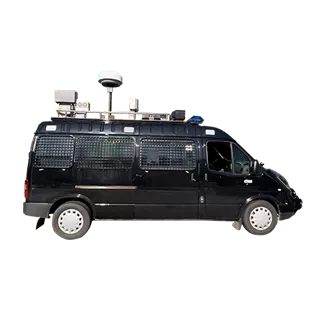
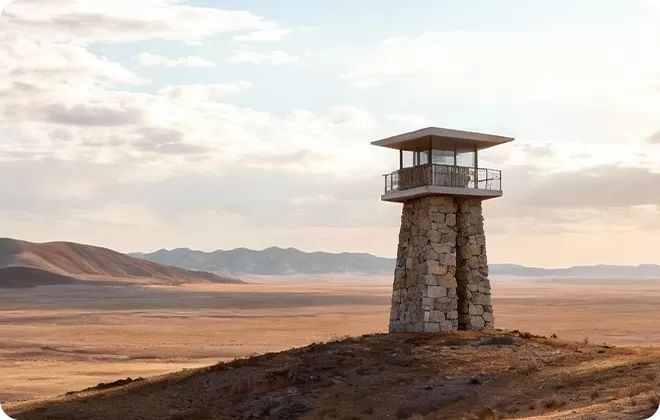
Yes. While it excels in fixed ground or tower setups, its rugged IP66 design and shock resistance make it perfect for Vehicle Integration.
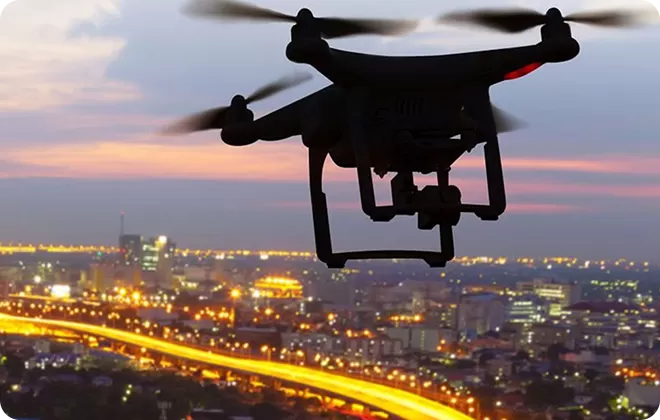
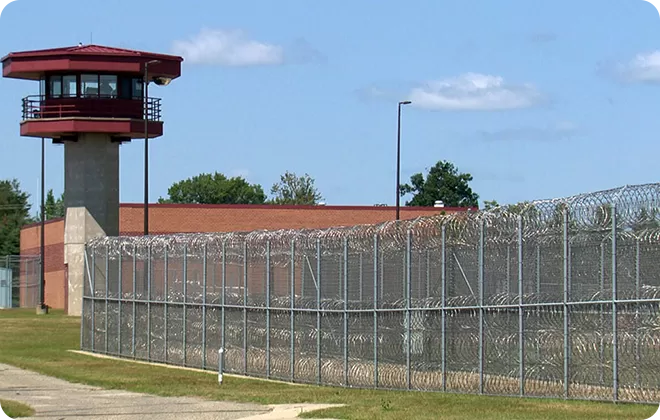
Application Scenarios for Thor M40 Omnidirectional Drone Defender







Additional Fixed‑Site C‑UAS System
Get Expert Drone Defense!
Contact us today for a customized anti-drone solution or integrated C-UAS systems based on your site, threat and deployment requirements.
Related Anti-drone Systems Insights
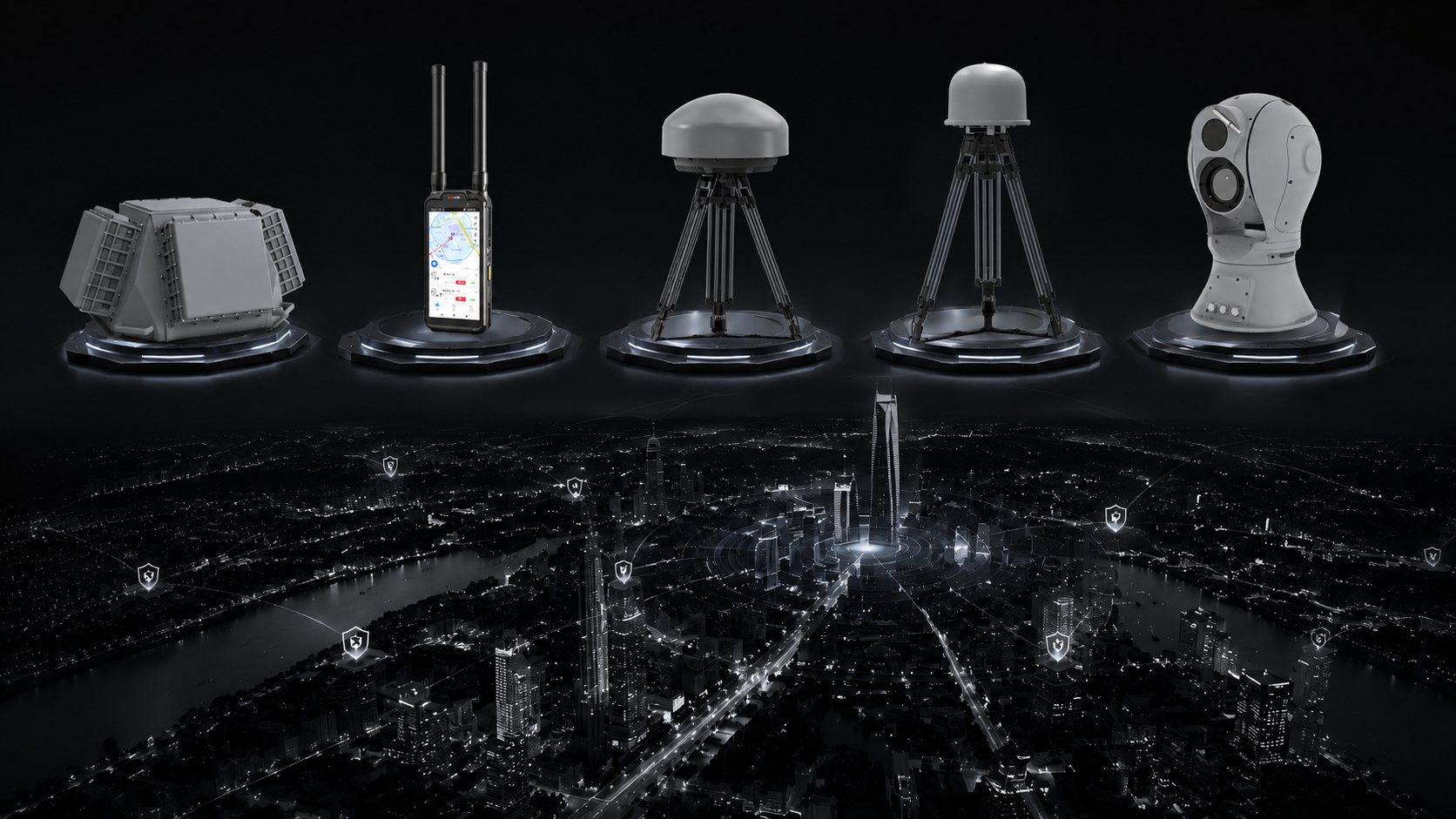
Jul 17, 2026 A drone detector is the first layer of a C-UAS project. Before a security team can track, verify, or respond to an unauthorized UAV, it needs reliable detection data. One sensor rarely covers every th...
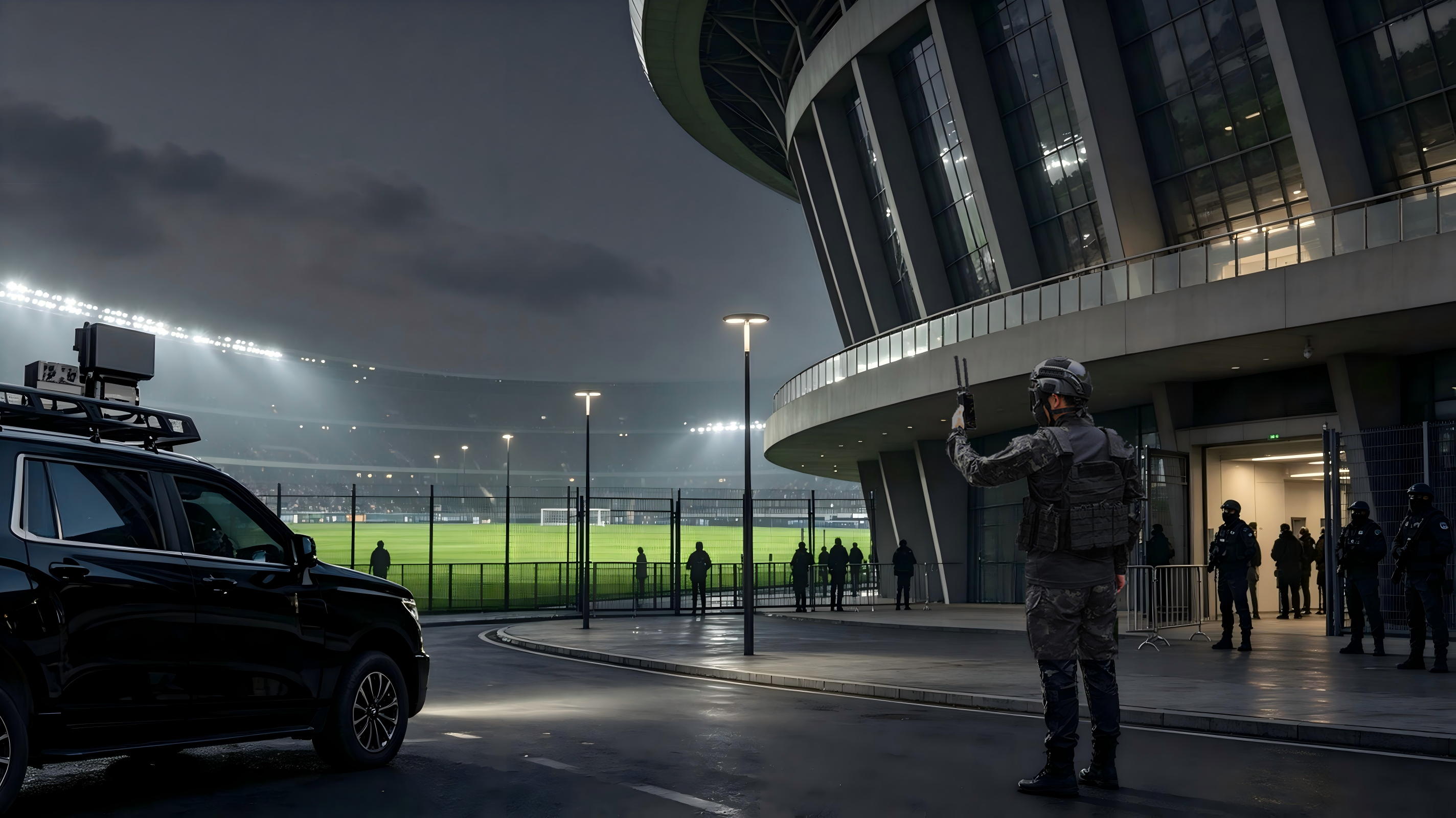
Jul 09, 2026 During the 2026 FIFA World Cup hosted across the United States, Canada, and Mexico, authorities reported numerous unauthorized drone incursions into restricted airspace around stadiums and fan zones.T...


