


Email: sales@fsain.com.cn
Phone: +86-0571-85101359
Drone Detector Selection Guide: RF, Radar, EO/IR and Remote ID for C-UAS Projects
2026-07-17
Table of Content
[Hide]
A drone detector is the first layer of a C-UAS project. Before a security team can track, verify, or respond to an unauthorized UAV, it needs reliable detection data. One sensor rarely covers every threat. An RF drone detector helps identify drone control signals, radar drone detection supports active low-altitude tracking, EO/IR cameras provide visual confirmation, and a Remote ID receiver adds identity data for compliant drones. For airports, borders, prisons, ports, and mass events, the key question is: “Which detection mix fits the site, threat, and response workflow?”
What Is a Drone Detector in a C-UAS System?
A drone detector is a sensor or sensor network used to discover, identify, locate, and track unmanned aerial systems before they reach a protected area. In a C-UAS system, detection should give operators enough time and context to decide whether the object is cooperative, suspicious, or unauthorized.
For procurement teams, detection quality is measured by the information it provides: drone type, direction, location, trajectory, pilot or controller information, and visual confirmation, depending on sensor type and project design.
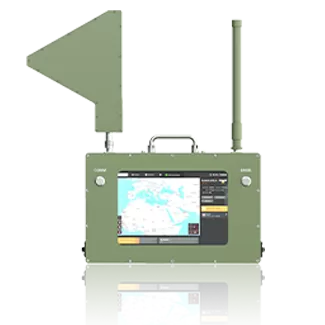
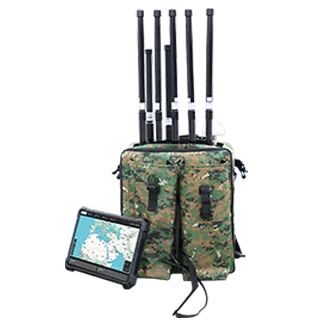
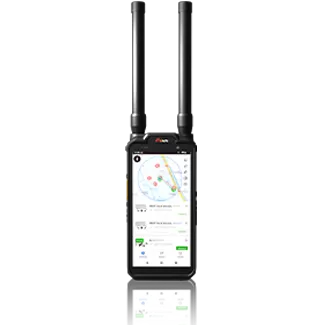
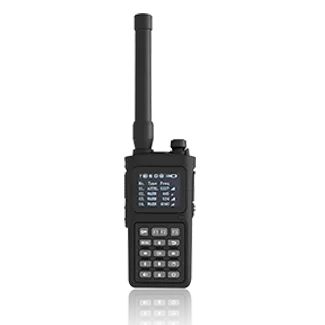
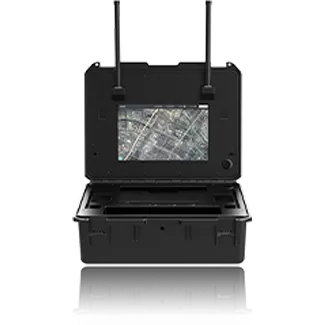
Portable teams may need a handheld detector for patrols and temporary missions. Fixed facilities require continuous monitoring, multi-sensor data, and a command interface. Fsain’s Argus D15 handheld locator is designed for portable RF-based drone detection and localization, while fixed-site projects may combine RF detection, radar, photoelectric tracking, Remote ID receiving, and platform management.
RF, Radar, EO/IR and Remote ID: Which Detection Layer Fits Your Site?
Each detection layer answers a different operational question. RF detection asks whether a drone or controller is transmitting nearby. Radar asks whether there is a low-altitude moving target in the protected airspace. EO/IR asks whether the operator can visually confirm the target. Remote ID asks whether a cooperative drone is broadcasting identity data.
| Detection Layer | Main Function | Procurement Note |
|---|---|---|
| RF drone detector | Detects drone-related radio signals | Useful when drones emit detectable signals |
| Radar drone detection | Tracks low-altitude aerial targets | Important where RF-only detection may not be enough |
| EO/IR camera | Provides visual or thermal confirmation | Often works best when cued by RF or radar |
| Remote ID receiver | Decodes compliant drone broadcast data | Adds identity context |
| Sensor fusion platform | Combines multiple sensor feeds | Supports cross-checking and decisions |
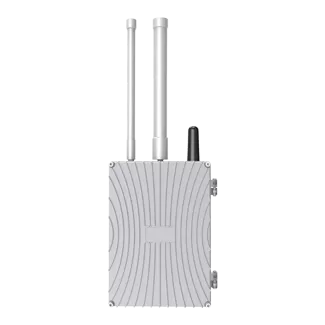
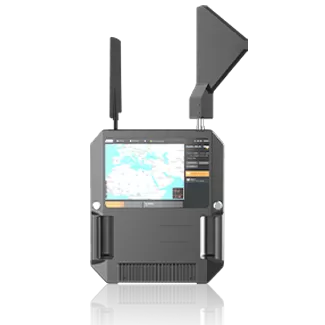
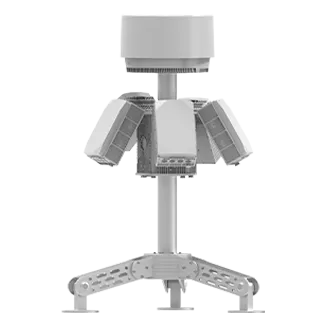
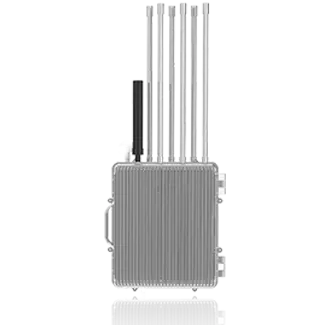
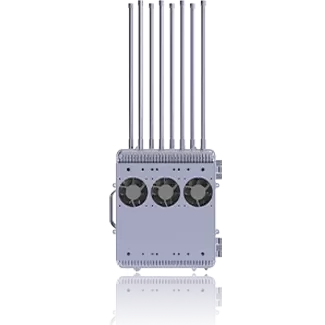
For fixed RF detection, Fsain’s Argus D20 drone detector is designed to detect radio signals radiated by drones and provide detection, early warning, model identification, and positioning tracking. Its product page lists 20 MHz–8000 MHz full-spectrum coverage and a 3–10 km effective detection radius, subject to deployment conditions.
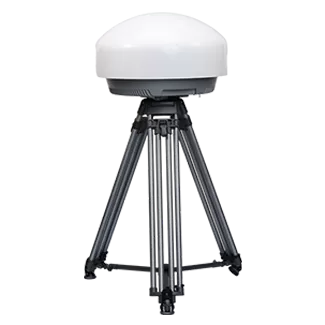
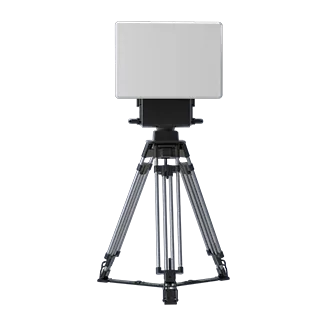
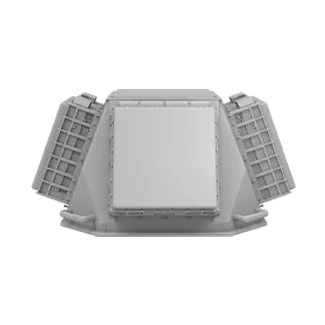
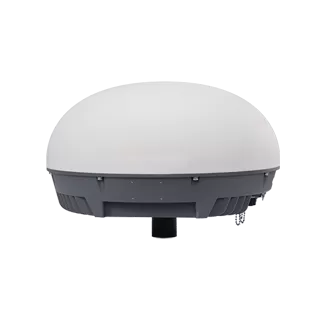
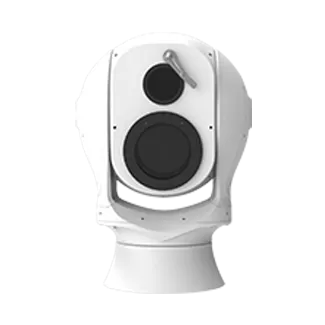
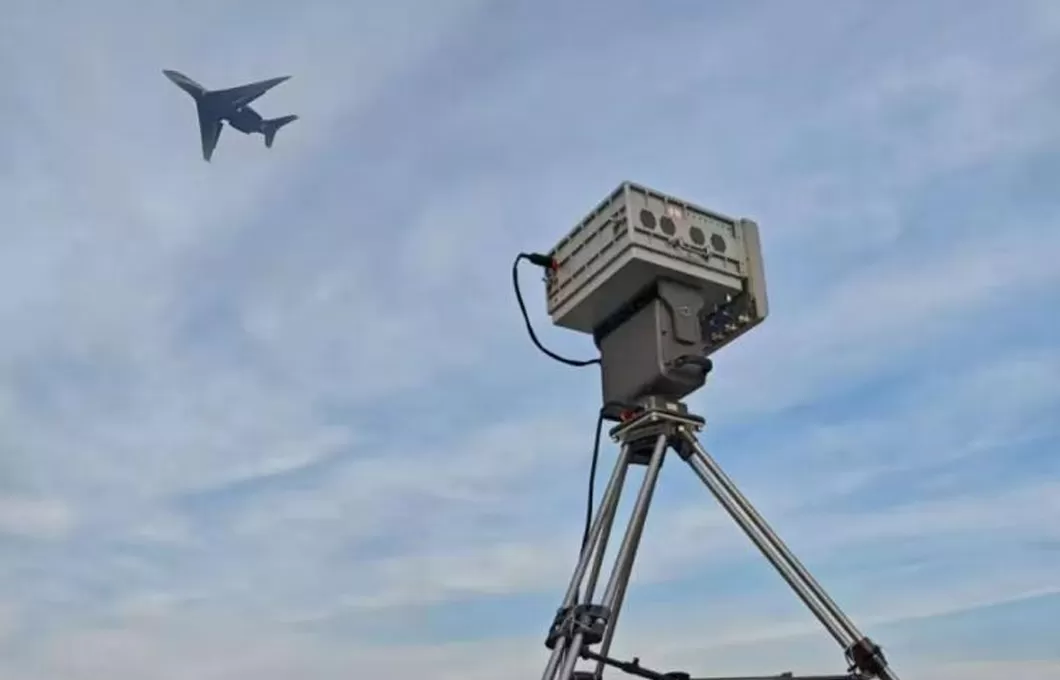
Radar becomes important when the site needs active surveillance of low-altitude targets. The Argus R10 radar is positioned for small, slow-speed target detection, tracking, and identification. EO/IR adds visual confirmation: Argus C04 combines visible light and thermal infrared imaging for UAV identification, intrusion detection, thermal surveillance, and automatic tracking. A Remote ID receiver, such as Argus D40, supports identification of cooperative drones by decoding broadcast data such as drone identity, location, altitude, speed, and controller information where available.
How Sensor Fusion for Drone Detection Improves Decisions
Sensor fusion for drone detection means combining RF, radar, EO/IR, Remote ID, and other data into one operational view. The goal is to help operators understand what is happening faster and with more confidence.
Each sensor has limits. RF detection depends on detectable signal activity. Radar can face clutter from terrain, buildings, birds, or vehicles. EO/IR provides confirmation but usually needs a cue to find the target quickly. Remote ID is useful for cooperative drones, but unauthorized or modified drones may not broadcast useful data.
A fused architecture helps cross-check alerts. RF may detect a suspicious signal, radar may confirm a moving aerial track, and EO/IR may provide visual evidence. Remote ID may help separate compliant traffic from unknown targets. This layered logic is valuable for airports, critical infrastructure, border areas, and mass events.
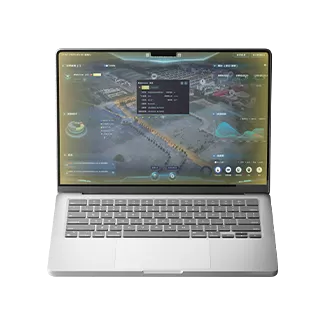
Fsain’s C-UAS Control Platform is designed to collect, display, analyze, and process information from subsystems such as radar detection, radio detection, photoelectric identification, interference countermeasures, and navigation deception. For projects that require third-party integration or centralized command, platform compatibility should be evaluated early.
Drone Detector Selection Checklist for B2B Buyers
The right drone detector should be selected around operational risk, not only product category. Before shortlisting equipment, buyers should define the protected area, expected drone types, terrain, warning distance, response policy, and integration requirements.
For mobile patrols, portability and fast operation are usually more important than a large fixed network. A handheld RF drone detector can support temporary protection, route patrols, border inspection, VIP security, and event response. For fixed-site security, a site may need RF monitoring, radar tracking, EO/IR confirmation, and Remote ID awareness.
A useful procurement checklist includes:
What drone types must be detected?
What warning distance is required?
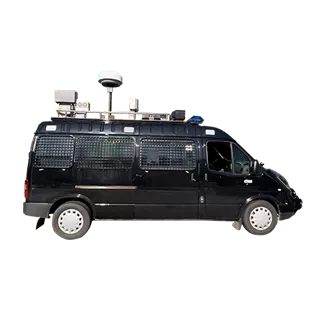
Is the deployment portable, fixed, vehicle-mounted, or mixed?
Does the operator need drone ID, pilot location, trajectory, video confirmation, or only early warning?
What command, video, alarm, or dispatch systems must be integrated?
What rules define the response after detection?
Conclusion
Choosing a drone detector for a C-UAS project is a system design decision. RF drone detector technology, radar drone detection, EO/IR confirmation, Remote ID receiver data, and sensor fusion for drone detection each solve a different part of the problem. A portable team may begin with handheld RF detection, while a fixed facility may require a layered architecture connected to a control platform.
For procurement teams, the reliable starting point is a clear site profile: protected area, expected threats, required warning time, terrain conditions, and integration needs. With that information, Fsain’s Argus detection products and C-UAS Control Platform can be configured according to application needs.
References
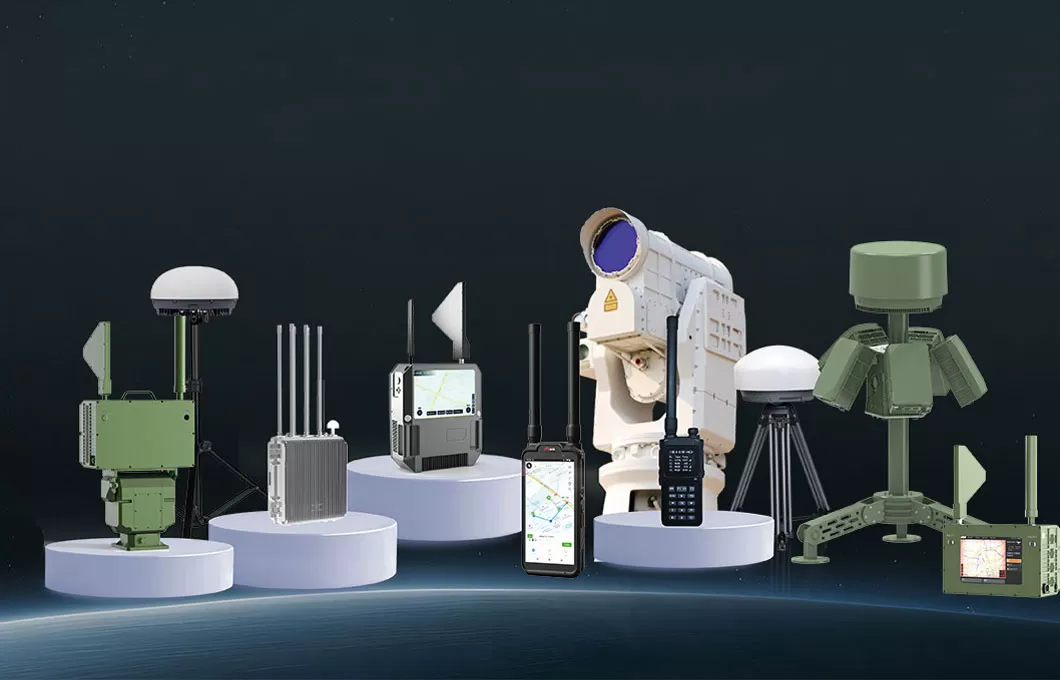
Additional Portable Anti-Drone Devices