



Email: sales@fsain.com.cn
Phone: +86-0571-85101359
Portable Anti-Drone Device Buying Guide for Border Patrol, VIP Protection and Mobile Security Teams
2026-07-07
Table of Content
[Hide]
A portable anti drone device is designed for teams that cannot depend on a fixed C-UAS site. Border patrol units, VIP protection teams, public safety departments, and mobile security contractors need equipment that can be carried, deployed, and operated near the threat area. The right anti drone device should match the mission: early detection, field localization, signal interference, or vehicle-based response. A handheld drone detector may fit scouting and patrol warning, while an integrated defender such as the Thor M20 anti drone system supports detection and interference in one portable unit.
What Is a Portable Anti-Drone Device?
A portable anti-drone device is a mobile C-UAS tool used to detect, locate, track, or interfere with unauthorized drones without relying on a permanent installation. It is selected when the protected area changes frequently or when a security team must respond from different positions.
In procurement terms, “portable” should not only mean small. It should mean mission-ready. The equipment should fit the team’s operating method, power plan, user interface, warning distance, weather exposure, and response.
A border patrol may need wide-area movement and fast relocation. A VIP team may need discreet deployment and quick setup. A temporary event team may need detection plus localized interference. Each case has a different balance between portability, range, and response capability.
Which Portable Configuration Fits the Mission?
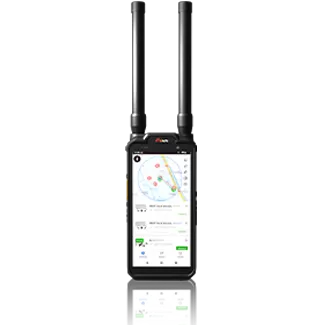
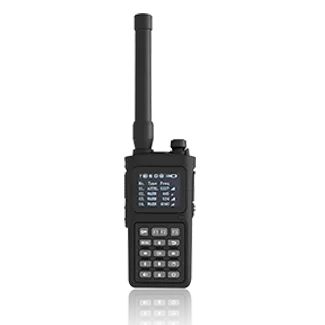
The best starting point is the operating scenario. If the mission is to find drone activity before it reaches a protected area, a handheld drone detector is often the first layer. Fsain’s Argus D15 handheld locator is designed to identify quad-rotors, fixed-wings, DIY drones, FPV drones, and other targets through low-power digital receiving technology, signal detection algorithms, and drone identification algorithms. Its product page lists 100 MHz–6000 MHz frequency range, 1.5–2 km detection radius in city environments, 2–3 km in open environments, response time under 6 seconds, and IP67 protection.
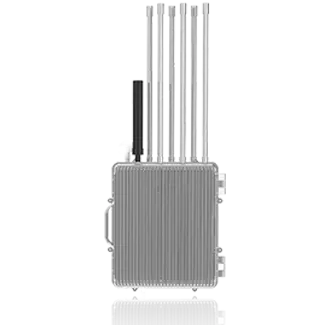
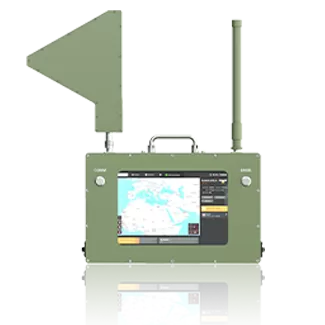
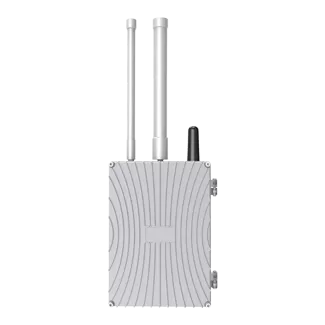
If the mission requires detection and interference in one compact unit, the Thor M20 portable multi-mission defender is more relevant. It integrates detection and countermeasure functions, analyzes spectrum characteristics and Drone ID, and uses electromagnetic suppression to interfere with drone signals. Its listed core data includes 5 km detection distance, 3 km interference distance, IP66 protection, and a dual-battery system.
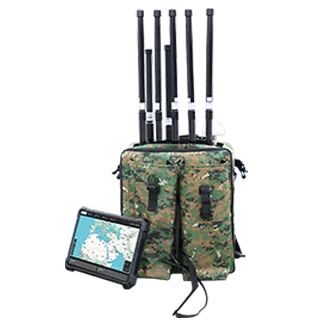
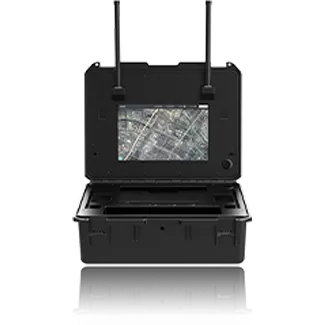
For rough terrain, a backpack system may be easier to carry than a handheld unit with separate accessories. Thor M60 integrates detection, interference, and decoy functions, with a rugged tablet terminal and backpack design. Its product page lists 3 km detection, 1.5 km interference, IP66 protection, omnidirectional defense, and response effects such as return, forced landing, directional expulsion, area denial, regional no-fly zone, navigation interference, and fixed-point trapping.
Portable Anti-Drone Device Comparison for B2B Buyers
| Configuration | Main Function | Best-Fit Scenario | Procurement Focus |
|---|---|---|---|
| Handheld drone detector | RF-based detection, localization, tracking | Patrol warning, scouting, border inspection | Range, frequency, battery, weight |
| Portable multi-mission defender | Detection plus interference | Mobile protection, checkpoints, VIP security | Detection distance, interference distance, interface |
| Backpack multi-mission defender | Detection, interference, decoy functions | Field teams across changing terrain | Carry comfort, tablet control, reliability |
| Shield interference device | Selective Band Control | Events, private property, point protection | Setup speed, range, Ease of Use |
| Vehicle C-UAS system | Mobile detection and countermeasure platform | Long patrol routes, convoy security | Vehicle integration, command connection, power supply |
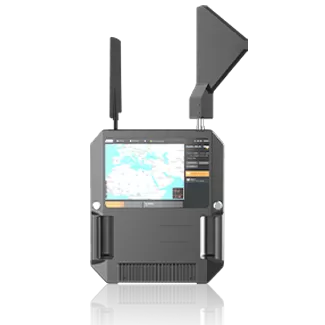
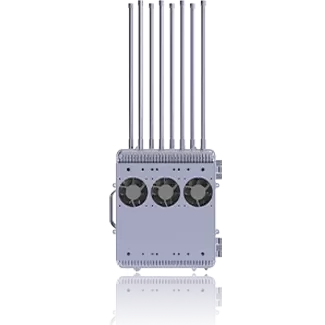
A portable shield device is useful when the team needs a point controlled area rather than wide-area search. Fsain’s Ares J40 shield drone interference can cut off the drone’s control link, image transmission link, and navigation link by forming an electromagnetic signal shield in a specific area. Its product page describes an effective range up to 2.5 km, discreet non-tactical design, rapid deployment, selectable frequency bands, GNSS navigation denial, and touchscreen operation.
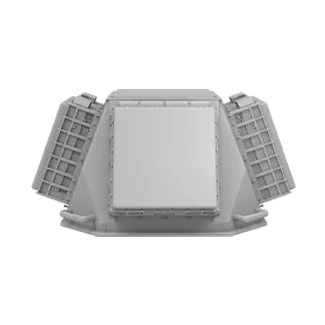
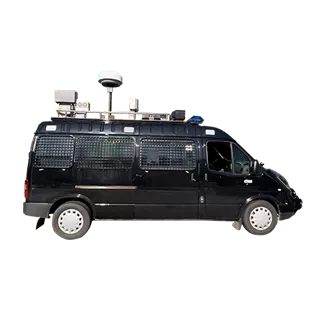
For long patrol routes, a vehicle platform may be more suitable than handheld equipment alone. Fsain’s Zeus V10 Vehicle C-UAS system integrates detection, countermeasure functions, and a C2 platform in a vehicle unit. It is designed to respond to low-altitude threats while moving and can connect to a command center, as required.
Buying Checklist for Border Patrol, VIP and Mobile Security Projects
A portable anti drone device should be selected around the response workflow, not only the product form. Buyers should first define whether the team needs warning, location, tracking, interference, expulsion, or vehicle-based command.
Key procurement questions include:
What drone types are expected: commercial drones, FPV drones, fixed-wings, DIY drones, or mixed threats?
Does the team need only early warning, or detection plus interference?
What is the required protection radius?
Will the equipment be carried by one operator, a field team, or mounted on a vehicle?
How long must the system operate without fixed power?
Does the project require IP-rated protection for outdoor patrols?
Should the device integrate with command, dispatch, alarm, or video systems?
What authorization rules apply to drone interference in the target market?
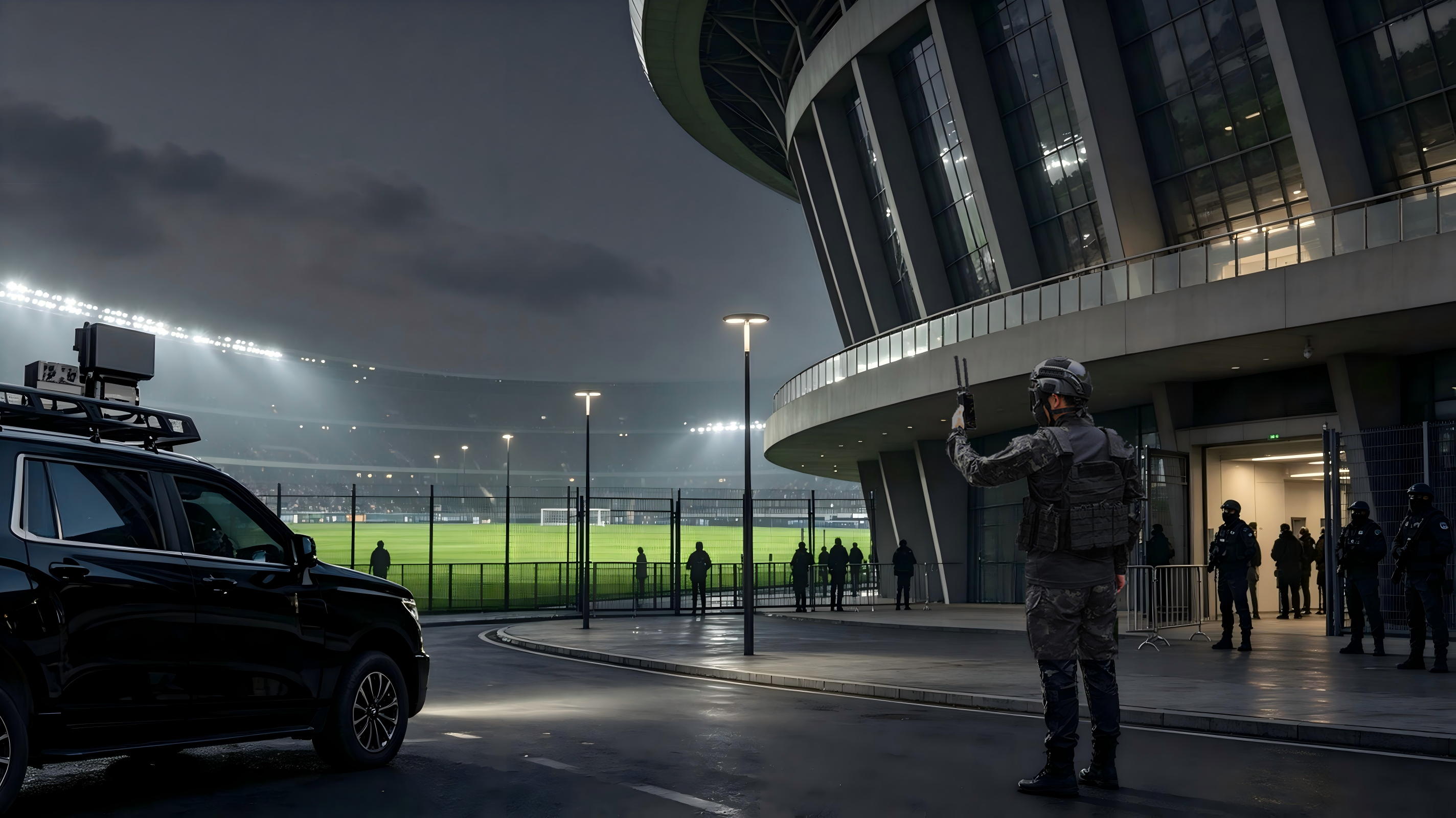
VIP drone protection systems require a lower visual profile, fast setup, and a clear escalation process. Border patrol projects may prioritize detection range, mobility, ruggedness, and team coordination. Mobile security teams may need a mixed configuration: handheld detection for search, shield interference for temporary zones, and vehicle C-UAS for wider patrol coverage.
Conclusion
Choosing a portable anti drone device is a mission design decision. A handheld drone detector supports early warning and field localization. A portable defender such as the Thor M20 anti drone system combines detection and interference for mobile protection. A backpack defender supports teams operating across changing terrain, while shield interference and vehicle C-UAS systems extend response options for temporary zones and patrol routes.
For procurement teams, the most useful preparation is a clear mission profile: site type, expected drone threats, required warning distance, operator mobility, power conditions, and response policy. With those details, Fsain's portable and vehicle C-UAS products can be configured according to application needs.
References
Additional Portable Anti-Drone Devices