


Email: sales@fsain.com.cn
Phone: +86-0571-85101359
How to Defend Against Drones: A Layered C-UAS Strategy for Airports and Critical Sites
2026-09-16
Table of Content
[Hide]
For airports, power plants, ports, borders, prisons, public facilities, and other high-value sites, how to defend against drones is not simply a question of choosing one detector or one countermeasure.
A practical C-UAS strategy begins much earlier.
Security teams need to define what must be protected, which drone threats are credible, how far from the protected area a target should be detected, how an alert will be verified, who makes the response decision, and which actions are legally authorized.
This is why modern anti drone systems increasingly use a layered approach. RF detection, radar, EO/IR, Remote ID, data fusion, command-and-control software, and authorized response capabilities each solve a different part of the problem.
The goal is not to deploy every available technology. It is to build a system in which every detection and response layer supports a clear operational requirement.
Start with Site Risk and Protected-Zone Planning
Before selecting hardware, security teams should define the protected environment.
An international airport and a temporary public event may both face unauthorized drones, but their operating conditions are very different.
An airport may need persistent monitoring around runways, terminals, approach areas, departure corridors, and surrounding airspace. A power plant may prioritize generation units, substations, storage areas, control facilities, and perimeter zones. A port may need coverage across both land and adjacent water.
This means how to defend against drones should begin with a site-specific risk model.
A useful planning process can divide protection into several zones.
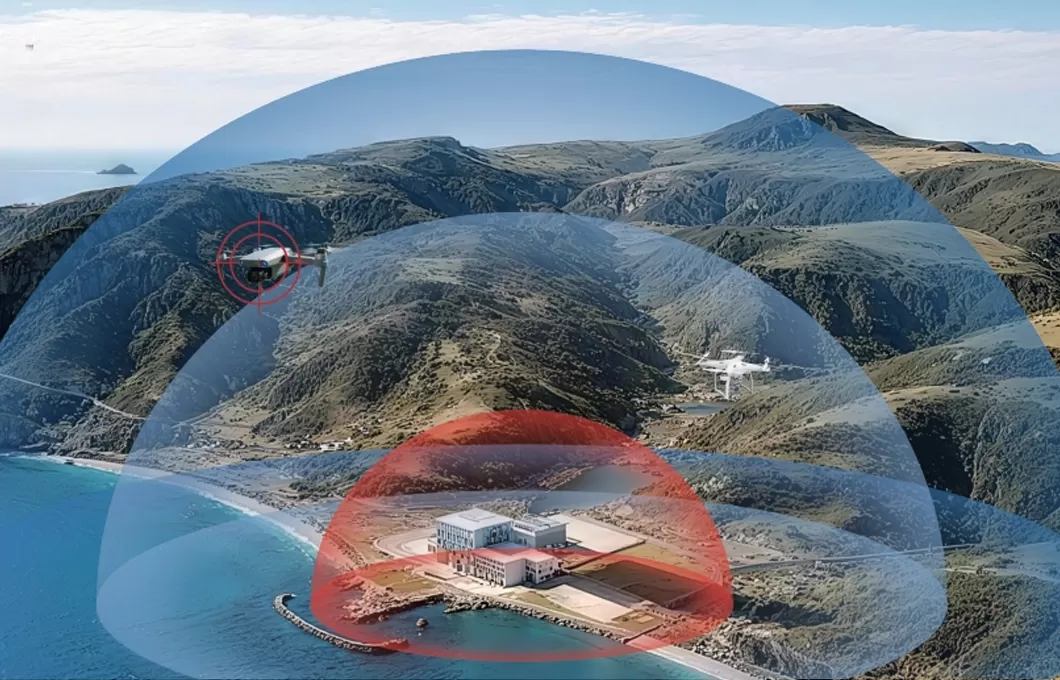
An outer monitoring area provides early warning. An intermediate area allows security teams to track and verify the approaching target. A core area protects assets where an unauthorized drone could create the greatest operational or safety impact.
The expected drone types should also be considered. Commercial UAVs, FPV aircraft, modified platforms, autonomous drones, and compliant Remote ID aircraft do not necessarily create the same detection signatures.
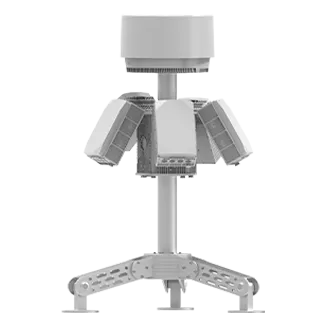
For permanent facilities, fixed site counter uas systems can combine several sensing and management technologies around a defined protected perimeter.
The exact sensor layout should then reflect the physical site rather than simply copying a standard equipment quantity from another installation.
Detect and Verify Before Selecting a Response
When organizations research how to stop drones, there is a tendency to focus immediately on mitigation technology.
For professional security applications, detection and verification should come first.
A response decision is only as reliable as the information available to the operator.
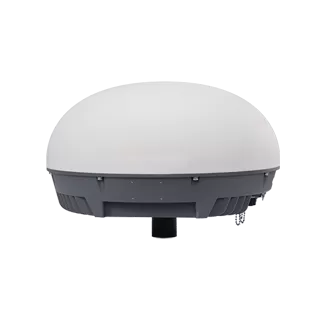
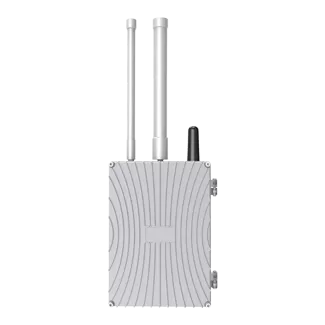
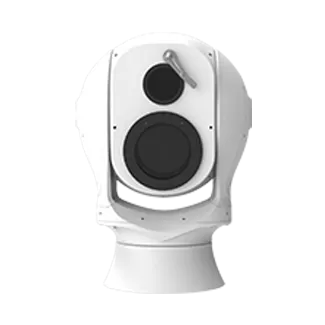
RF detection can identify radio activity associated with many drones or controllers. Radar can detect and track physical aerial targets. EO/IR can provide visual or thermal confirmation. Remote ID can add identification context for compliant aircraft.
Each sensor fills a different information gap.
This layered approach is especially important because a detection alert does not automatically indicate malicious intent.
The FAA states that UAS detection systems may use radar, RF, electro-optical, acoustic, or combined sensing technologies, but also makes clear that detection systems by themselves cannot determine intent or the threat level posed by an aircraft.
A professional workflow should therefore move through several stages:
Detection identifies that something has entered the monitored airspace.
Tracking establishes where it is moving.
Identification and verification add information about the target where available.
Assessment allows operators to compare the situation with established security procedures.
Response follows only after the authorized organization has determined the appropriate action.
This sequence helps reduce the risk of treating every unidentified aerial object as the same type of threat.
Combine Fixed-Site, Portable and Control Layers
Site size and mission type also determine how the C-UAS system should be deployed.
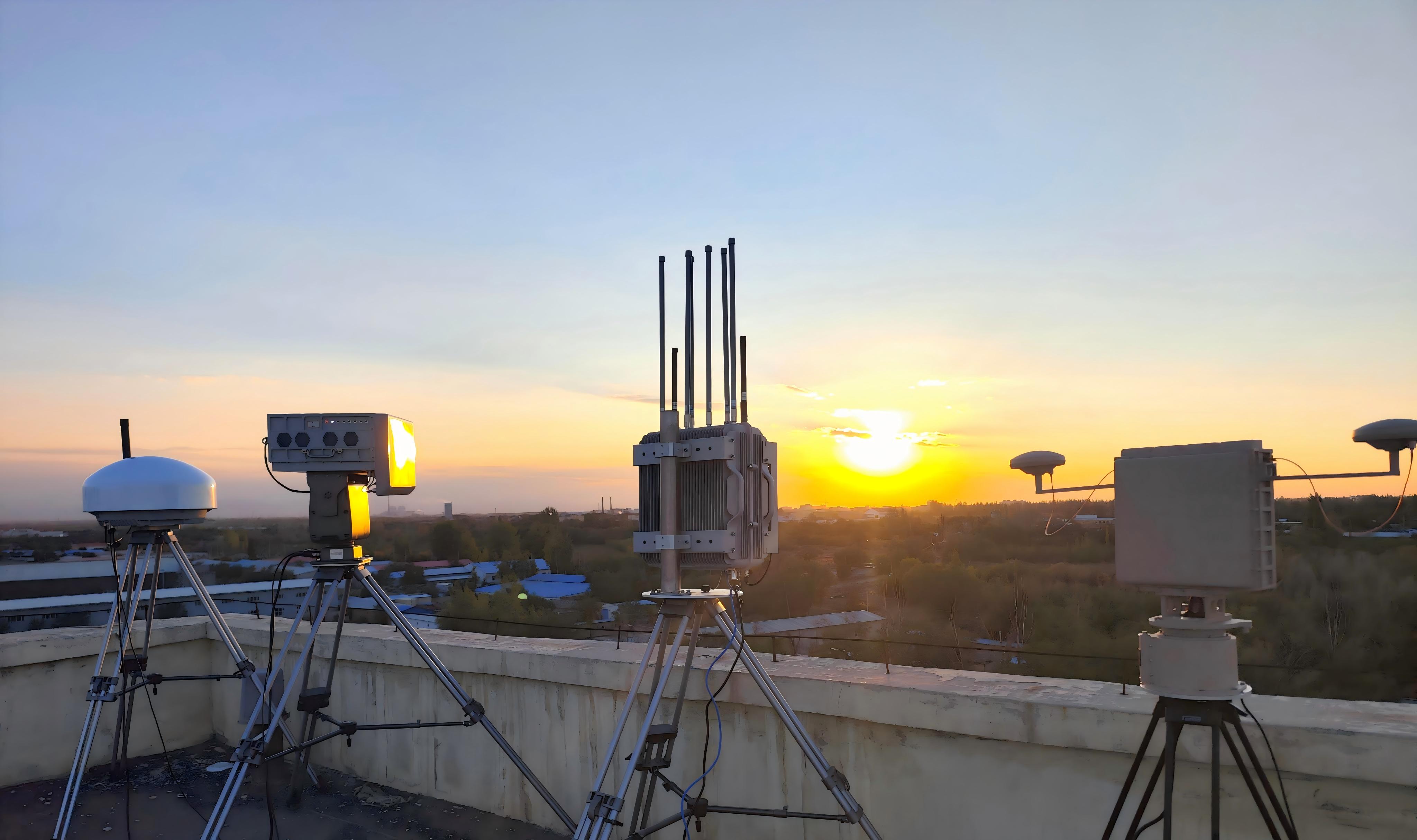
Permanent facilities generally benefit from continuous fixed-site monitoring. Radar, RF detectors, EO/IR systems, Remote ID receivers, and other sensors can be positioned around key areas and connected through a central network.
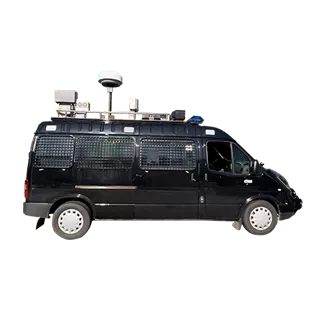
Mobile teams have different requirements.They may need to move between sites, reinforce a fixed perimeter, support temporary events, patrol remote areas, or respond to incidents outside the coverage of permanent infrastructure.
Mobile teams have different requirements.
They may need to move between sites, reinforce a fixed perimeter, support temporary events, patrol remote areas, or respond to incidents outside the coverage of permanent infrastructure.
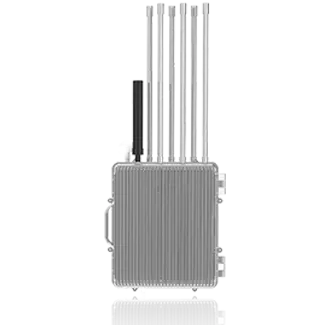
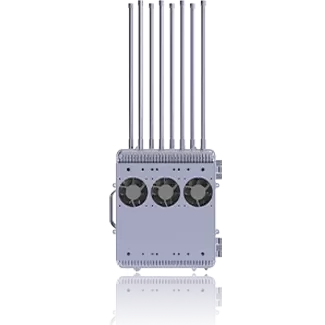
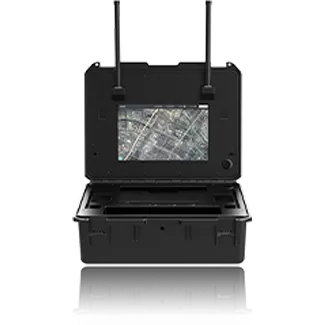
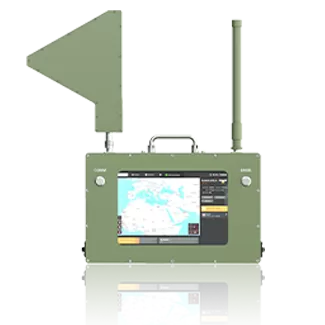
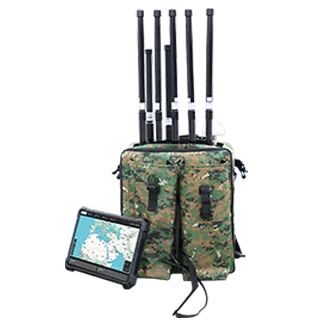
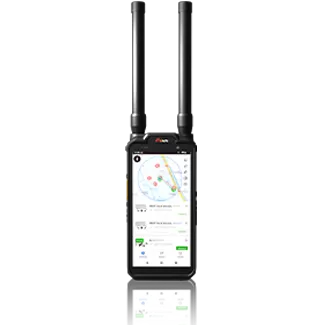
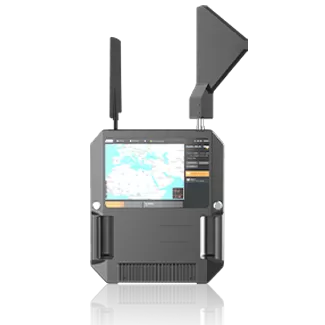
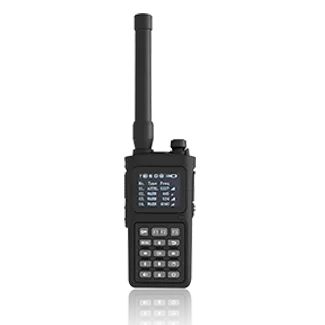
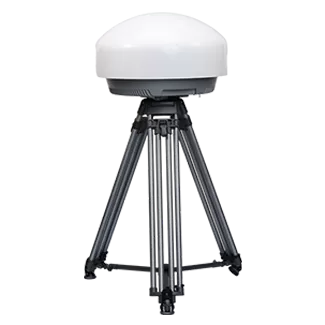
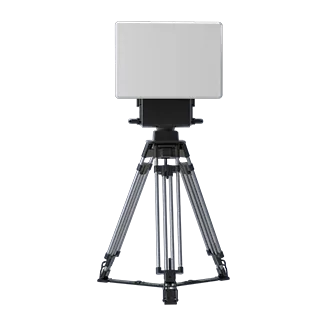
For mobile security teams, portable systems can serve as an important complement to fixed-site infrastructure. Fsain offers a range of mobile and portable C-UAS solutions, including the Thor M20, for temporary deployment, mobile patrols, and emergency response. These systems can be rapidly deployed to establish on-site drone detection and response capabilities beyond the coverage of fixed infrastructure.
The portable layer should not necessarily operate independently of the fixed system.
When field equipment can exchange alerts and situational information with a central platform, the organization can maintain a more consistent operational picture across permanent and mobile assets.
This is where drone security systems based on centralized command-and-control become important.
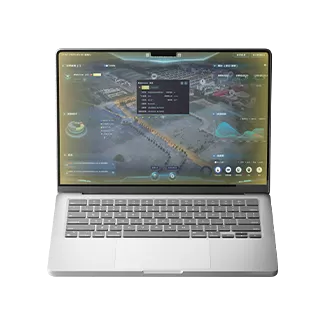
Fsain's C-UAS control platform integrates information from radar, RF detection, EO/IR, Remote ID, ADS-B, and other subsystems and supports third-party integration through APIs and SDKs.
Build an Airport or Critical-Infrastructure Workflow
Different industries require different operating procedures.
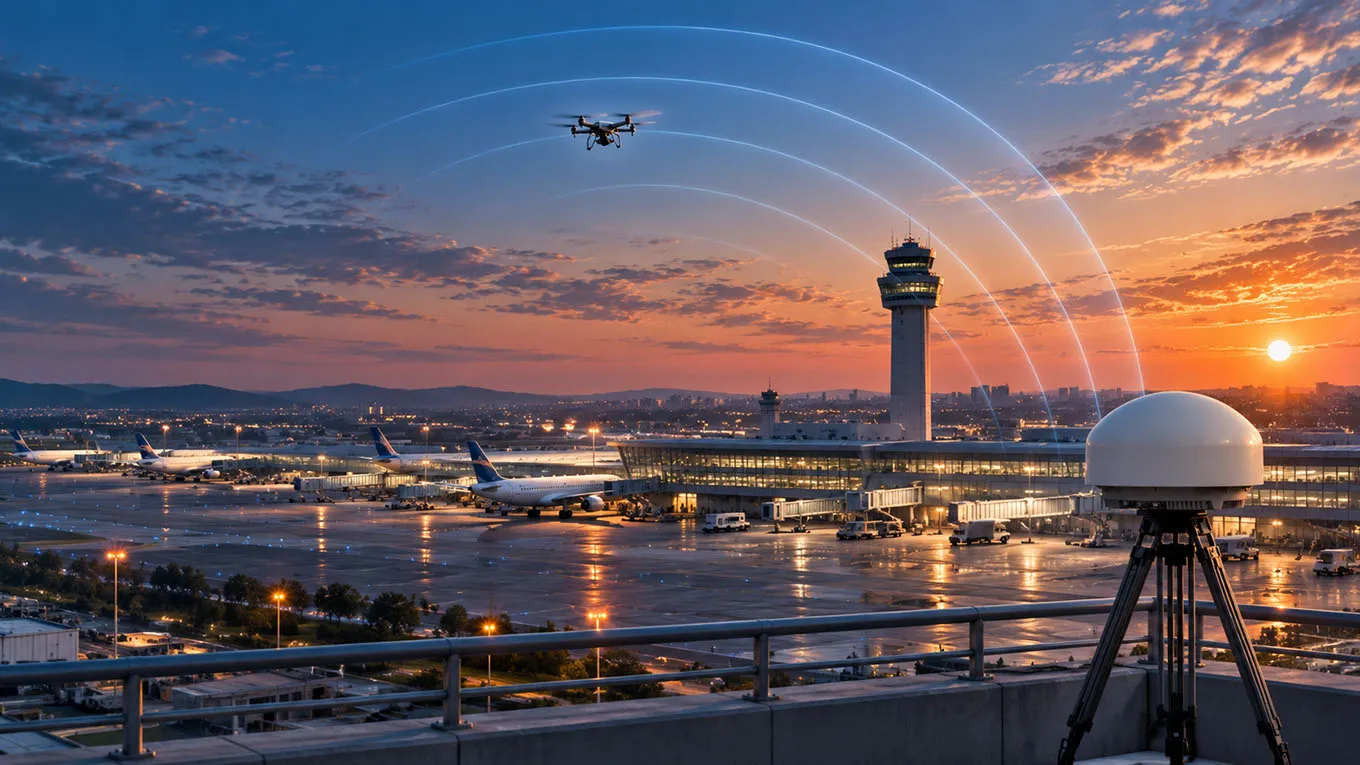
For an airport, airport anti drone system planning needs to account for more than drone detection range.
Detection equipment must coexist with aviation communication, navigation, surveillance, and airport operating procedures. Alerts may also require coordination between airport operations, air traffic control, security personnel, law enforcement, and other authorized organizations.
Fsain's airport anti drone system architecture combines detection and verification technologies for airport environments and organizes protection around different operational zones.
However, technology selection should always be combined with local regulatory and operational requirements.
In the United States, the FAA specifically advises airport operators to coordinate proposed UAS detection or mitigation deployments with the appropriate FAA offices. It also highlights electromagnetic interference, aviation safety, response planning, and the legal authority governing mitigation technology.
Critical infrastructure presents a different set of priorities.
Power plants, industrial facilities, energy infrastructure, ports, and other permanent sites may require 24/7 low-altitude surveillance, reliable perimeter coverage, integration with existing security systems, and procedures that allow operators to distinguish routine airspace activity from potentially concerning behavior.
In these environments, anti drone systems should be designed around the facility's actual risk zones, surrounding terrain, expected targets, required response time, and existing command structure.
The central principle is the same in both cases: devices should support an operational workflow, not become isolated pieces of equipment.
FAQ: How to Defend Against Drones Safely and Legally?
How to detect drones before they enter a protected area?
The appropriate method depends on the site and target.
RF detection can identify radio emissions from many drones and controllers. Radar can detect physical targets independently of their control link. EO/IR can provide visual confirmation, while Remote ID may provide information about compliant aircraft.
For higher-risk fixed sites, combining several sensor types can provide more reliable situational awareness than relying on a single method.
How to stop drones once they are detected?
The response depends on legal authority, operational risk, environment, and jurisdiction.
Organizations should not assume that because a technology is commercially available they automatically have authority to operate every mitigation function.
In the United States, counter-UAS authority is subject to specific legal restrictions and regulatory requirements. Organizations considering detection or mitigation technologies should review applicable law and obtain appropriate legal guidance. U.S. Department of Justice UAS and C-UAS guidance
The same principle applies internationally: procurement requirements should distinguish technical capability from legal authorization.
Can a C-UAS system eliminate false alarms?
No system should be designed around the assumption that false alarms can be completely eliminated.
Birds, aircraft, vehicles, vegetation, buildings, electromagnetic activity, and other environmental factors can create detection challenges.
Sensor placement, configuration, classification algorithms, site testing, and multi-sensor correlation can all help improve confidence in an alert.
Should a site choose radar or RF detection first?
The answer depends on the threat model.
RF detection is particularly useful when security teams need signal-related information about transmitting drones. Radar is valuable when the requirement includes physical detection of aerial targets that may not provide a usable RF signal.
Many high-risk facilities use both because the technologies answer different questions.
Is a site survey necessary?
For complex fixed-site projects, a site survey is strongly recommended.
Important factors include protected-zone dimensions, terrain, surrounding buildings, line of sight, mounting locations, RF environment, power and network availability, existing security infrastructure, expected drone types, and required warning time.
A site survey helps translate those factors into a practical sensor layout and integration plan.
Does every facility need active mitigation?
No.
Some organizations may primarily require detection, identification, alerting, recording, and coordination with authorities.
Mitigation capability should only be incorporated where it is legally authorized, operationally justified, and compatible with the surrounding environment.
Conclusion: Build a Layered C-UAS Strategy Around the Site
Understanding how to defend against drones requires moving beyond the idea that one device can solve every drone-security problem.
The process starts with the protected site.
Define the assets at risk, expected drone types, required warning time, operating environment, legal constraints, and response workflow. Then determine what information operators need at each stage.
Radar can provide physical target detection. RF sensing can add signal information. EO/IR supports visual verification. Remote ID can provide additional identification data for cooperative aircraft. A central platform can correlate these sources and provide operators with a common situational picture.
Fixed-site equipment may provide continuous protection, while portable systems can support mobile teams or temporary reinforcement.
Most importantly, how to stop drones should never be separated from the questions of detection, verification, authorization, and operational procedure.
A well-designed C-UAS architecture does not simply add more devices. It connects the right technologies into a coordinated process that allows security teams to detect earlier, understand the situation more clearly, and make an authorized response based on reliable information.
References
Additional Portable Anti-Drone Devices