




Email: sales@fsain.com.cn
Phone: +86-0571-85101359
Can Radar Detect Drones? A B2B Guide to Radar, RF and EO/IR Detection
2026-09-23
Table of Content
[Hide]
For airports, power plants, borders, ports, prisons, industrial facilities, and other protected sites, one question often appears at the beginning of a counter-UAS project: can radar detect drones?
The answer is yes. Radar can detect and track many types of drones by transmitting electromagnetic energy and analyzing the signals reflected from objects in the air. Unlike RF detection, radar does not depend on a drone actively communicating with a remote controller. This makes radar particularly valuable when security teams need persistent monitoring of low-altitude airspace or need to detect targets that may not provide a usable RF signal.
However, drone detection is rarely a matter of installing one radar and expecting complete coverage. Drone size, radar cross section, altitude, terrain, buildings, vegetation, weather, installation position, and background clutter can all affect detection performance.
For B2B buyers, the more useful question is not simply whether radar can detect a drone, but how radar should work together with RF detection, EO/IR verification, Remote ID, and a control platform to create reliable situational awareness.
How Radar Detects Drones at Low Altitude
Radar works by transmitting radio-frequency energy into an area and measuring the returned signal when that energy encounters an object. From these returns, the radar system can estimate information such as range, position, direction, speed, and movement over time.
For traditional aviation radar, large aircraft generally provide a much stronger radar return than a small commercial UAV. Counter-UAS radar therefore faces a more difficult task: detecting relatively small, slow-moving objects flying close to buildings, terrain, vegetation, vehicles, and other sources of clutter.
Modern drone-detection radar addresses this challenge through specialized signal processing, tracking algorithms, clutter suppression, and target classification.
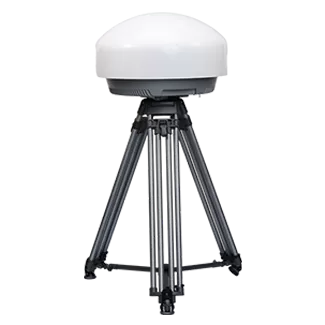
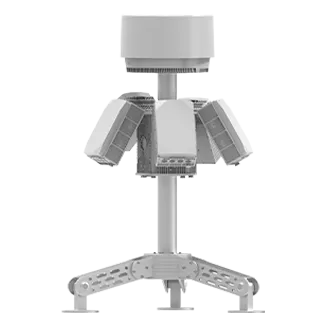
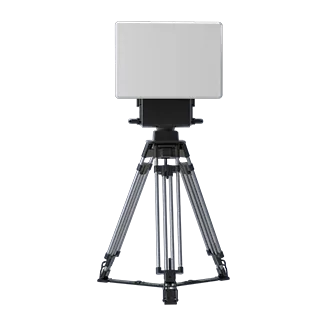
For projects evaluating a counter drone radar, Fsain's Argus R10 is designed around pulse-Doppler radar technology for the detection, tracking, and classification of low-altitude, slow-speed, and small aerial targets. It can also provide track information to other sensors and a C-UAS control platform, allowing radar information to become part of a broader detection workflow.
This matters because a radar track becomes more useful when it can be correlated with other information instead of being treated as an isolated alert.
Can Radar Detect Small Drones and RF-Silent Targets?
Another common search question is can radar detect small drones?
It can, but small UAVs present significantly greater detection challenges than conventional aircraft. Their physical dimensions and radar cross section may be much smaller, and their flight paths can place them close to the ground or surrounding structures.
As a result, there is no single detection range that applies to every drone and every environment.
A radar that performs well over open terrain may face different conditions around an airport terminal, industrial plant, city center, container port, or mountainous border area. Installation height, line of sight, surrounding clutter, expected target size, and required warning time should all be considered during system design.
Radar also has an important role when a drone does not provide a useful RF signature.
RF detection depends on radio emissions associated with a drone, controller, telemetry link, video transmission, Remote ID, or other communications. Autonomous or modified drones may not always produce signals that a particular RF sensor can identify.
Radar instead detects the physical aerial target.
This distinction helps answer another common question: do drones show up on radar? Many drones can appear on appropriately designed radar, but reliable detection depends on the relationship between the radar capability, target characteristics, and deployment environment.
Security teams should therefore evaluate representative targets under realistic site conditions instead of relying only on maximum-range figures.

Radar vs RF Detection: Why B2B Sites Need Different Sensor Layers
Radar and RF detection should not be treated as competing technologies. They provide different kinds of information.
RF detection monitors radio-spectrum activity associated with drones and their controllers. Depending on the technology and target, it may help identify drone signals, determine direction, recognize certain models, or locate a drone or controller.
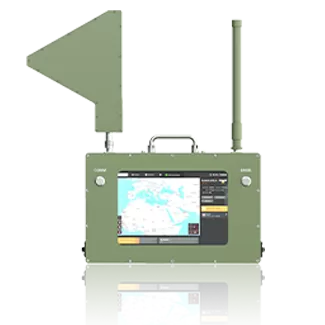
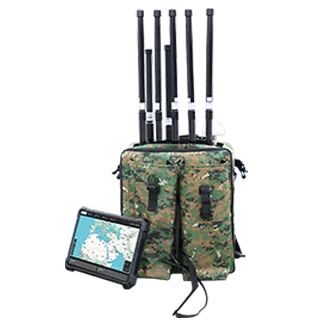
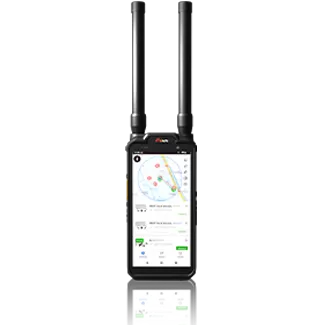
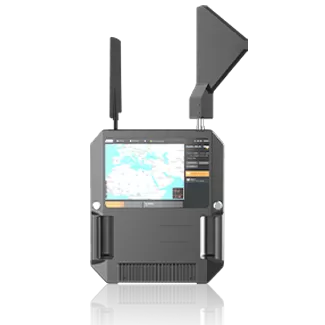
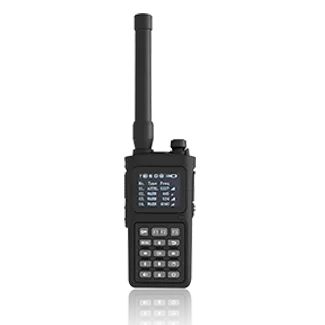
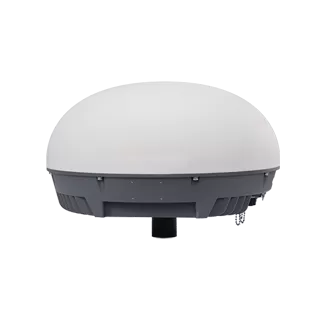
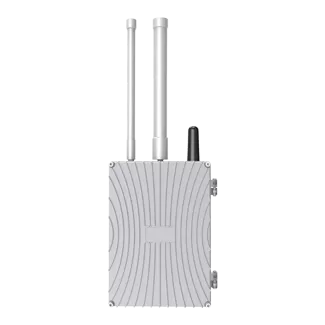
For example, Fsain's argus detector uses radio spectrum analysis together with Drone ID and Remote ID capabilities. Fsain publishes 20 MHz–8000 MHz coverage and a 3–10 km surveillance range for the Argus D20, with actual performance depending on deployment conditions and target characteristics.
Radar answers a different question: is there a physical target moving through the monitored airspace?
This gives radar an advantage when a target does not transmit an RF signal that can be identified. On the other hand, radar generally does not provide the same communication or identification information that RF sensing may provide.
The two layers can therefore complement each other:
Radar can discover and track physical aerial objects.
RF detection can provide signal-based information about many transmitting drones.
Remote ID can add identity information for compliant aircraft.
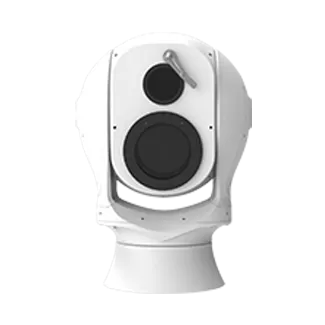
EO/IR can visually or thermally confirm a detected object.
A control platform can correlate information from multiple sensors.
The FAA similarly describes radar, RF, electro-optical, and other sensors as technologies that may operate independently or in combination in UAS detection systems. The FAA also emphasizes that detection technology alone cannot determine a drone operator's intent or automatically establish the level of threat.
For procurement teams, this is an important distinction. Detection should support an informed security decision rather than automatically be interpreted as proof of hostile activity.
How Sensor Fusion Improves Drone Detection and Verification
A single sensor alert usually provides only part of the operational picture.
Imagine that radar detects a small low-altitude object approaching a protected perimeter. Radar can generate a track, but the security team may still need to determine whether the object is a drone, bird, or another aerial target.
RF detection may then identify associated radio activity. EO/IR can provide visual or thermal confirmation. Remote ID may provide additional information if the aircraft is broadcasting compliant identification data.
When these sources are brought together, operators gain more context.
Fsain's drone security systems approach includes a C-UAS control platform capable of integrating data from radar, RF, EO/IR, Remote ID, ADS-B, and other sources. Multi-sensor fusion allows operators to review several independent data streams within one operational environment rather than monitoring disconnected devices.
This is especially valuable for airports and other complex sites where false alarms can create operational disruption.
For an airport anti drone system, detection architecture must also account for runway areas, terminals, approach and departure corridors, surrounding airspace, electromagnetic compatibility, and coordination with existing airport procedures.
The FAA's airport guidance specifically highlights legal considerations, potential electromagnetic interference with communication and navigation equipment, system coordination, and operational response planning. FAA UAS Detection, Mitigation, and Response on Airports
The practical objective is therefore not maximum sensor quantity. It is to place the right sensing technologies where they provide useful warning time and enough information for operators to verify what is happening.
FAQ: Can Radar Detect Drones Reliably?
Can radar detect every drone?
No detection technology can guarantee identical performance against every UAV in every environment. Drone size, radar cross section, altitude, speed, terrain, weather, buildings, vegetation, and radar configuration can all influence performance.
A professional C-UAS design should therefore begin with the target set and protected environment.
Can radar detect drones without a remote controller?
Radar detects physical targets rather than relying on communication between the drone and a controller. This means radar may still detect an autonomous or RF-silent drone if the target is within the radar's detection capability.
This is one reason radar can complement RF sensing.
Can radar identify the exact model of a drone?
Radar can support tracking and target classification, but buyers should not assume that every radar can identify the exact manufacturer and model of every target.
RF protocol analysis, Drone ID, Remote ID, and EO/IR verification may provide additional identification information.
Is RF detection better than radar?
Neither technology is universally better.
RF sensing can provide valuable signal and identity information when suitable transmissions are available. Radar can detect physical targets that may not provide usable RF emissions.
The appropriate choice depends on site risk, target types, required detection range, surrounding RF conditions, terrain, and the level of verification required.
Is radar necessary for every anti-drone project?
Not always.
A temporary event, mobile patrol, or small protected area may have different requirements from an airport, power plant, border, or large industrial facility.
Radar becomes particularly valuable where continuous physical surveillance, long-term fixed-site monitoring, or detection of potentially RF-silent targets is required.
Conclusion: When Radar Belongs in a C-UAS Architecture
So, can radar detect drones? Yes, but radar should be evaluated as part of a system rather than as an isolated device.
It provides an important physical detection layer, especially for low-altitude targets that may not produce RF signals useful to an RF detector. RF sensing adds signal and identification information, EO/IR supports visual confirmation, and Remote ID can provide additional context for cooperative aircraft.
The most effective architecture begins with the site.
Define the protected area, expected target types, required warning time, terrain, surrounding buildings, RF environment, existing security infrastructure, and operator workflow. Then determine which sensors are necessary to provide reliable detection and verification.
For airports, critical infrastructure, borders, and other high-value facilities, combining radar with complementary sensors can provide much stronger situational awareness than relying on one detection method alone.
References
Additional Portable Anti-Drone Devices